
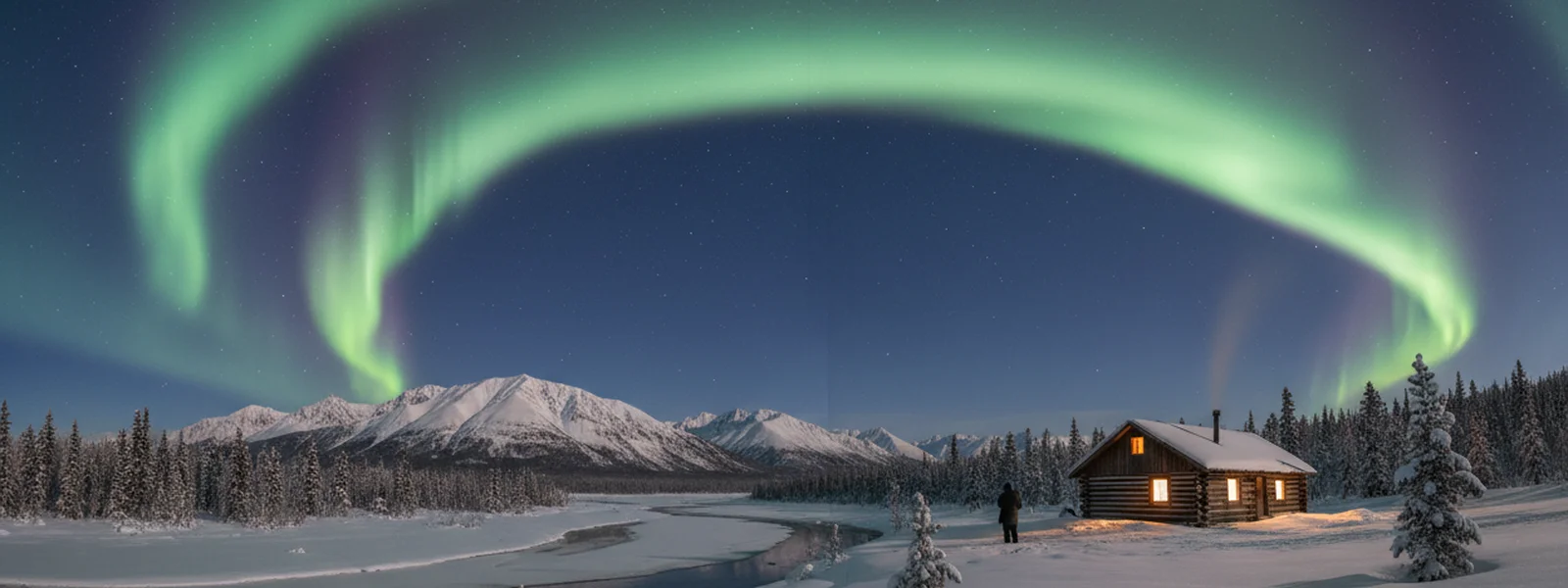
Understanding the Aurora: Solar Activity and Darkness
Many travelers associate Alaska with summer cruises, long daylight hours, and tidewater glaciers. But for a different kind of Alaska experience, one that unfolds under vast, dark skies, the alaska aurora season offers a spectacle few summer visitors ever witness. The aurora borealis, or Northern Lights, is a natural light display in the Earth's sky, predominantly seen in high-latitude regions. It is a phenomenon driven by solar activity.
When the sun emits solar flares or coronal mass ejections, charged particles are hurled into space. If these particles collide with Earth's magnetic field, they are funneled towards the poles. As they interact with gases in our atmosphere – oxygen and nitrogen – they create the vibrant greens, pinks, and purples that dance across the night sky. The intensity and visibility of the aurora depend on two primary factors: strong solar activity and sufficient darkness. Without deep darkness, even a powerful aurora display can be difficult to see.
This means that while solar activity can happen at any time, the best time for northern lights alaska viewing is during the months with the longest nights. This typically begins in late summer and extends through the deep winter. The absence of light pollution also plays a significant role, making remote locations away from city glows ideal for an unobstructed view.
Best Months for Viewing: September Through March
For those looking to chase the aurora alaska, the window of opportunity opens in September and closes around late March. This period offers the necessary hours of darkness required for the lights to be visible. While the aurora can technically appear year-round, the continuous daylight of an Alaskan summer makes it impossible to see.
- September and October: These shoulder months offer a unique balance. The weather is often milder than deep winter, and the landscape might still hold some fall colors. As the nights grow longer, especially after the autumnal equinox, the chances of seeing the aurora increase. This is also a time when many of the summer crowds have departed, offering a quieter experience.
- November through February: This is the heart of the winter alaska travel season for aurora hunters. Nights are at their longest, and temperatures are at their coldest. While challenging, these months provide the highest probability of clear, dark skies and intense aurora displays. The crisp, dry air often contributes to excellent visibility.
- March: Similar to September, March sees increasing daylight but still offers ample darkness for aurora viewing. The temperatures begin to moderate, making it a slightly more comfortable time for those not accustomed to extreme cold. It marks the tail end of the prime season before spring brings longer days once more.
Key Locations: Fairbanks, Denali, Interior Alaska
When planning a trip to see the aurora, location is paramount. You need to be far enough north to be under the auroral oval, the ring around Earth's magnetic pole where aurora activity is concentrated. You also need access to clear skies and minimal light pollution. Interior Alaska offers some of the world's best viewing spots.
Fairbanks is widely considered the capital for aurora viewing in Alaska. Located directly under the auroral oval, it has a high probability of clear nights, especially during the colder, drier winter months. The city also has infrastructure for aurora tourism, including tours that take you away from city lights to dedicated viewing lodges or remote cabins. From Fairbanks, you can reach locations like Chena Hot Springs, which offers natural hot springs for relaxation combined with aurora viewing opportunities.
Denali National Park and Preserve, while famous for its summer wildlife and the continent's tallest peak, transforms into an aurora wonderland in the darker months. The park's vastness and lack of light pollution make it an excellent choice. Access can be more restricted in winter, with fewer roads open, but dedicated tours or stays at lodges just outside the park can provide access to its dark skies. Our designs celebrating the national parks, like those in the Alaska Mountains & Scenery Shirts collection, are a good fit for this kind of travel.
Other interior Alaska towns and remote lodges, such as those near Coldfoot along the Dalton Highway, also offer exceptional opportunities. The further you are from major population centers, the better your chances of seeing the full spectrum of the aurora without interference.
Land-Based Tours vs. Cruise Extensions
While most Alaska cruises operate during the summer months, some specialized itineraries or land extensions can tie into the shoulder season for aurora viewing. However, the best experiences for the alaska aurora season are typically land-based, offering more flexibility and deeper immersion.
Land-Based Tours: These tours are designed specifically for aurora hunting. They often involve staying in a base city like Fairbanks and then taking nightly excursions to prime viewing spots. This allows for flexibility to chase clear skies, as aurora visibility can be highly localized. Many tour operators provide heated shelters, warm beverages, and local guides who understand the patterns of the lights and the best viewing angles. This approach maximizes your chances of a successful viewing.
Cruise Extensions: A few cruise lines offer pre- or post-cruise land packages that extend into September, aiming to catch the early aurora. These often involve a scenic train ride into the interior, with a stay in Fairbanks or Denali. While convenient, these extensions might not offer the same flexibility as a dedicated land tour, as schedules are often fixed. It is important to research the specific itinerary to understand how much dedicated aurora viewing time is included and how far you will be taken from ambient light sources.
What to Pack for Cold-Weather Aurora Hunting
Chasing the aurora often means spending hours outdoors in sub-freezing temperatures, especially during peak winter. Proper layering is not just a recommendation; it is a necessity for comfort and safety. Think like a seasoned Alaskan preparing for a day in the interior.
Start with a moisture-wicking base layer against your skin. Add a warm mid-layer, such as fleece or wool. The outer layer should be a heavy, insulated, and windproof parka designed for extreme cold. Waterproofing is also beneficial for any unexpected snow. Insulated snow pants are critical for sitting or standing in the snow for extended periods. Warm, waterproof boots with good traction, rated for -20°F or colder, are essential. Wool socks, hand warmers, thick mittens (with glove liners for dexterity), a warm hat that covers your ears, and a neck gaiter or scarf complete the ensemble.
Our Alaska Cruise Hoodies and Alaska Cruise Sweatshirts, while designed for cool deck mornings, also make excellent mid-layers for land-based aurora trips, providing warmth and comfort with designs that echo the wild beauty you're there to see. For example, our Alaska 1959 Statehood Vintage T-Shirt, worn under a warm fleece, celebrates the spirit of Alaska in a classic, understated way.
Our Aurora Designs for the Dedicated Viewer
For the traveler venturing into interior Alaska to witness the Northern Lights, we offer designs that capture the spirit of this unique experience. Our apparel draws from the same visual lineage as the classic 1930s WPA national-park posters – bold color blocks, confident type, and motifs that speak to the quiet grandeur of Alaska after the ships leave. We believe a souvenir should still look good at home in November, not just on the ship in July.
While our collections are often framed for cruisers, the underlying aesthetic and high-quality garments are perfect for any Alaska traveler. Consider our
as a versatile piece. It’s a comfortable tee that reminds you of your journey, whether that journey included a ship or a remote lodge under the aurora.We focus on scenic, vintage-poster Alaska apparel designed for the traveler who appreciates the place itself, not just the puns. The aurora designs we create aim to reflect the same reverence for the Alaskan landscape that you feel when standing under a sky lit by the Northern Lights. These are garments you can wear as a badge of honor for experiencing Alaska beyond the typical tourist season, a quiet nod to a different kind of adventure.
, for instance, speaks to the wonder of Alaska's natural phenomena, a sentiment that extends naturally to the aurora. It is about the quiet admiration for the vastness of the place.Tips for Maximizing Your Chances
Seeing the aurora borealis is never guaranteed; it requires a combination of solar activity, clear skies, and darkness. However, you can significantly increase your odds with careful planning and a bit of patience.
- Monitor Aurora Forecasts: Websites and apps like the University of Alaska Fairbanks Geophysical Institute provide real-time aurora forecasts (KP-index) and weather predictions. Check these daily during your trip.
- Stay Longer: The longer you stay in a prime viewing location, the better your chances. Three to five nights is often recommended to account for weather variability.
- Seek Dark Skies: Get away from city lights. Even small towns can produce enough light pollution to diminish the aurora's intensity. Look for designated viewing spots or drive a short distance out of town.
- Dress Warmly: As discussed, cold is a constant companion during the alaska aurora season. Being adequately dressed allows you to stay out longer and enjoy the show without discomfort.
- Look North: While the aurora can appear anywhere in the sky, it typically begins in the northern sky. Position yourself with a clear view of the northern horizon.
- Patience is Key: The aurora can be elusive. Some nights it might be a faint glow; other nights, it can erupt into a vibrant dance. Be prepared to wait, and enjoy the stillness of the Alaskan night even if the lights are shy.
- Consider a Guide: Local guides know the best spots and can offer insights into the science and lore of the aurora. They can also provide practical assistance, especially in remote or extreme conditions.
Chasing the aurora in Alaska is a profound experience, a different facet of the state's beauty. It requires preparation and a willingness to embrace the cold, but the reward of seeing the sky ablaze is well worth the effort. For those who venture north after the ships leave, the alaska aurora season offers memories that burn as brightly as the lights themselves.

Published by Alaskan Cruise Shirts
Alaska, Worn Well
Frequently Asked Questions
When is the best time to see the aurora borealis in Alaska?
The prime viewing period for the aurora borealis in Alaska is from September through March. These months offer the necessary long, dark nights required for the lights to be visible. Peak activity often occurs during the coldest, driest winter months, but shoulder seasons like September and March can offer milder weather with good viewing opportunities.
What are the best locations in Alaska for aurora viewing?
Fairbanks is widely considered the top location due to its position directly under the auroral oval and its robust tourism infrastructure. Other excellent spots include Denali National Park and Preserve, and more remote areas in interior Alaska, which offer minimal light pollution. Getting away from city lights significantly improves visibility.
What should I pack for an Alaska aurora trip?
Layering is essential for staying warm in sub-freezing temperatures. Pack moisture-wicking base layers, warm mid-layers (fleece, wool), and a heavy, insulated, windproof parka. Insulated snow pants, waterproof boots rated for extreme cold, wool socks, mittens, a warm hat, and a neck gaiter are also critical items.
Can I see the aurora borealis on an Alaska cruise?
Traditional summer Alaska cruises operate during months with too much daylight to see the aurora. However, some cruise lines offer late-season (September) or early-season (March) land extensions that travel into interior Alaska, providing opportunities for aurora viewing. Dedicated land-based tours generally offer more flexibility and better chances for a successful viewing experience.
How can I maximize my chances of seeing the Northern Lights?
To increase your odds, monitor aurora forecasts (KP-index), plan a trip for at least 3-5 nights, and seek out locations with minimal light pollution. Dress warmly to stay comfortable outdoors, and be prepared to wait patiently. Positioning yourself with a clear view of the northern sky can also be helpful.
First Look at New Alaska Designs
New ports, new parks, new wildlife — get first access to every new alaska cruise shirt drop plus insider packing tips for the Inside Passage.