
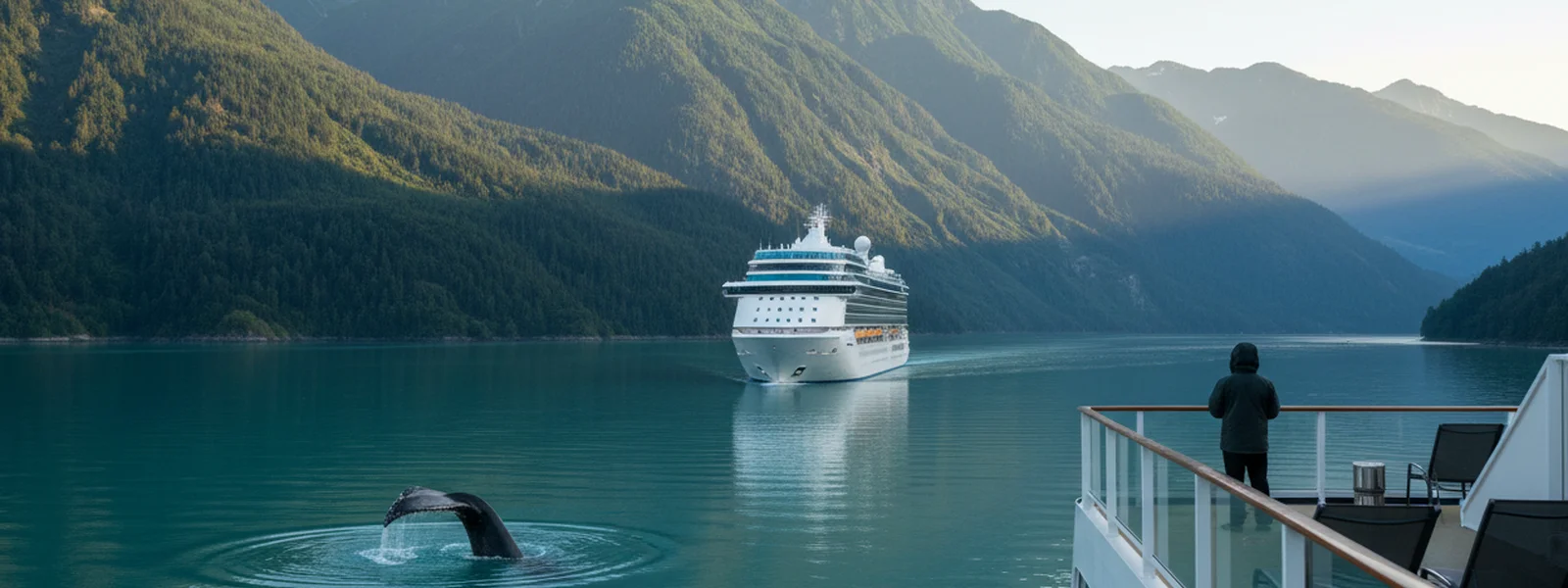
One of the enduring draws of an Alaska cruise is the chance to witness wildlife in its natural setting. From humpback whales breaching in the Inside Passage to brown bears fishing for salmon in a coastal stream, these encounters are often the highlights of a trip. For those planning an Alaska cruise wildlife viewing experience, understanding how to maximize your chances is key. It takes a blend of patience, preparation, and knowing where to look. We've spent years on these waters, and we've learned a few things about spotting the resident wildlife.
For those who carry a lasting appreciation for the creatures of the Last Frontier, explore our Alaska Wildlife Shirts, featuring designs that capture the spirit of these animals in WPA-poster style.
Understanding Wildlife Patterns
Alaska's wildlife operates on its own schedule, dictated by seasons, tides, and feeding habits. The best time for alaska cruise wildlife viewing often aligns with the summer cruise season, typically from May through September. During these months, animals are active, feeding, and often rearing young. Migratory species like humpback whales return to Alaskan waters to feed on krill and small fish, making summer the prime whale watching season.
Time of day also plays a role. Early mornings and late evenings, when the light is softer and fewer ships are active, can be particularly fruitful for spotting land mammals along the shorelines. Bears, moose, and deer are often more visible near dawn and dusk as they forage. For marine life, activity can be more consistent throughout the day, though specific behaviors like breaching might be opportunistic.
Location is perhaps the most critical factor. The Inside Passage, with its sheltered waters and abundant food sources, is a prime habitat for marine mammals. Specific areas like Glacier Bay National Park and Misty Fjords National Monument are renowned for their concentration of wildlife. In Glacier Bay, you might see humpbacks, orcas, sea otters, harbor seals, and even brown bears on the shore. The sheer volume of ice and cold water makes it a rich ecosystem.
Best Viewing Spots on the Ship
Your cruise ship itself offers several vantage points for animal spotting, making it easy to engage in alaska cruise animal spotting without leaving the vessel. The bow of the ship, particularly on smaller vessels, provides an unobstructed forward view. This is often the first place to see whales or other marine life surfacing directly ahead.
Open decks, especially those on higher levels, offer panoramic views of the surrounding landscape and water. These areas are ideal for scanning the horizon. Many ships also have dedicated viewing platforms or promenades that wrap around the ship, providing continuous sightlines. Dress in layers, as the wind can be brisk, even on a sunny day. Bring a mid-weight layer even in July. Glacier Bay cruising day averages 48–55°F on deck, and the wind off the ice is the real chill.
For those chilly mornings on deck, our Alaska Cruise Hoodies offer warmth and comfort, allowing you to focus on the views without distraction.
If you have a balcony cabin, it provides a private viewing area. While the field of view is narrower than an open deck, the privacy and immediate access can be advantageous. You can observe without the crowds, often spotting wildlife in quieter moments. Remember to scan not just the distant horizon, but also closer to the ship, as sea otters and seals often play near the vessel.
Using Binoculars and Cameras Effectively
Good optics are essential for effective alaska cruise wildlife viewing. A pair of binoculars, ideally 8x42 or 10x42, will bring distant animals into clear focus. Keep them readily accessible, perhaps around your neck, so you can quickly raise them when something is sighted. Practice using them before your trip to get comfortable with quick focusing.
When it comes to photography, a camera with a good zoom lens is advisable. A telephoto lens (200mm or more) will help capture details of animals that remain at a distance. Be prepared for motion – both from the ship and the wildlife. Use a fast shutter speed to freeze action, especially for breaching whales or flying eagles. Don't be afraid to take many shots; digital photography allows for plenty of trial and error.
Consider carrying a waterproof bag for your camera and binoculars. Alaska's weather can shift quickly, and even a light drizzle can compromise electronics. A small microfiber cloth is also useful for wiping away spray or condensation. The goal is to be ready when the moment presents itself, whether it's a humpback's fluke or an eagle perched high in a spruce.
Excursion Choices: Dedicated Wildlife Tours vs. Port Activities
While shipboard viewing is productive, dedicated shore excursions can significantly enhance your chances of memorable wildlife encounters. Many ports, like Juneau and Icy Strait Point, offer specialized whale watching tips alaska tours. These smaller boats can maneuver closer to marine life (while respecting safe distances) and are guided by naturalists who know local patterns.
Here are some popular excursion types:
- Whale Watching Tours: Offered in major ports, these tours focus specifically on finding humpbacks and orcas. Guides often use hydrophones to listen for whale calls.
- Glacier Bay Kayaking/Zodiac Tours: For a more intimate experience, some small-ship operators allow kayaking or Zodiac excursions, bringing you closer to icebergs and shoreline wildlife.
- Bear Viewing Tours: In places like Ketchikan (Misty Fjords) or near Juneau, floatplane tours can take you to remote areas where bears fish for salmon, offering unparalleled viewing opportunities. The "30% Club" is real: Denali is only fully visible about 30% of summer days. Don't skip the park if the mountain is hidden — the wildlife viewing is still elite.
- Wildlife Cruises: Smaller boats in areas like Seward's Kenai Fjords National Park offer tours specifically designed to showcase puffins, sea lions, otters, and various seabirds.
When selecting excursions, read reviews and choose reputable operators. Look for tours that emphasize responsible wildlife viewing practices. Remember that even on a dedicated tour, wildlife sightings are never guaranteed, but the experience of being out on the water in a smaller vessel is valuable in itself.
If your cruise takes you to one of the most iconic wildlife habitats, our Glacier Bay Shirts are designed to commemorate the glaciers, the peaks, and the animals you might encounter there.
Respecting Wildlife: Distance and Safety
The golden rule of alaska cruise animal spotting is respect and distance. Federal regulations prohibit approaching marine mammals within certain distances (typically 100 yards for whales and 25 yards for seals/sea lions). Reputable tour operators adhere strictly to these rules, using binoculars and telephoto lenses to provide clear views without disturbing the animals.
For land animals, especially bears, maintaining a safe distance is crucial. Never approach, feed, or try to interact with wildlife. Bears can be unpredictable, and even seemingly docile animals can react defensively if they feel threatened. Always follow the instructions of your guides, whether on a shore excursion or observing from the ship. We are visitors in their home, and our presence should not cause them distress.
Responsible wildlife viewing ensures that these animals can continue to thrive in their natural habitats for future generations of travelers. It's about observing their world, not interfering with it.
Our Wildlife-Themed Apparel for Enthusiasts
After experiencing the raw beauty of Alaska's wildlife, many travelers seek a souvenir that captures the essence of these encounters. We started Alaskan Cruise Shirts because we wanted apparel that reflected the real Alaska we saw from the ship, not generic puns or cruise line logos. Our designs draw from the visual lineage of classic 1930s WPA national-park posters, focusing on bold color blocks, confident type, and authentic wildlife motifs.
Imagine wearing a reminder of a humpback's breach or a brown bear's presence. Our Alaska Wildlife Shirts feature various iconic creatures, from bears to whales, designed to be worn well past your trip. You might find our designs like
our 2026 Alaska Cruise Amazing Memories T-Shirt
our 2026 Alaska Cruise Befriend Everyone T-Shirt
Every piece is printed on garments we'd actually wear ourselves. Whether it's a comfortable tee or a warm hoodie, these shirts are designed to be a lasting keepsake of your Alaska wildlife viewing adventures.
Patience is Key
Ultimately, successful alaska cruise wildlife viewing comes down to patience. Alaska is vast, and its wildlife moves freely. There will be moments of quiet observation, and then, suddenly, a pod of orcas might surface alongside your ship, or a bald eagle will swoop overhead. Be ready, but also be content to simply watch the landscape unfold. The beauty of Alaska is often in the waiting, the quiet anticipation of what might appear next.

Published by Alaskan Cruise Shirts
Alaska, Worn Well
Frequently Asked Questions
What is the best time of year for Alaska cruise wildlife viewing?
The prime season for Alaska cruise wildlife viewing is typically from May through September. During these summer months, migratory marine life like humpback whales are abundant, and land animals are active, feeding, and often visible along the coastlines.
What kind of wildlife can I expect to see on an Alaska cruise?
You can expect to see a variety of marine life, including humpback whales, orcas, sea otters, harbor seals, and porpoises. On land or near shore, sightings might include bald eagles, brown bears (grizzlies), black bears, moose, and various seabirds, depending on your route.
Are shore excursions better for wildlife viewing than staying on the ship?
Both offer good opportunities. Shore excursions on smaller boats can often get closer to marine life (while respecting regulations) and provide expert commentary. However, the ship's open decks and balconies offer panoramic views, and many significant sightings occur directly from the vessel, especially in areas like the Inside Passage.
What equipment should I bring for Alaska cruise animal spotting?
A good pair of binoculars (8x42 or 10x42) is essential for distant sightings. For photography, a camera with a telephoto lens (200mm or more) will be beneficial. Don't forget waterproof protection for your optics and a microfiber cloth for cleaning.
How can I respect wildlife while on an Alaska cruise?
Always maintain a safe distance from animals, whether from the ship or on an excursion. Never attempt to feed, approach, or interact with wildlife. Follow the instructions of your guides and adhere to all federal regulations designed to protect these animals and their habitats.
First Look at New Alaska Designs
New ports, new parks, new wildlife — get first access to every new alaska cruise shirt drop plus insider packing tips for the Inside Passage.