
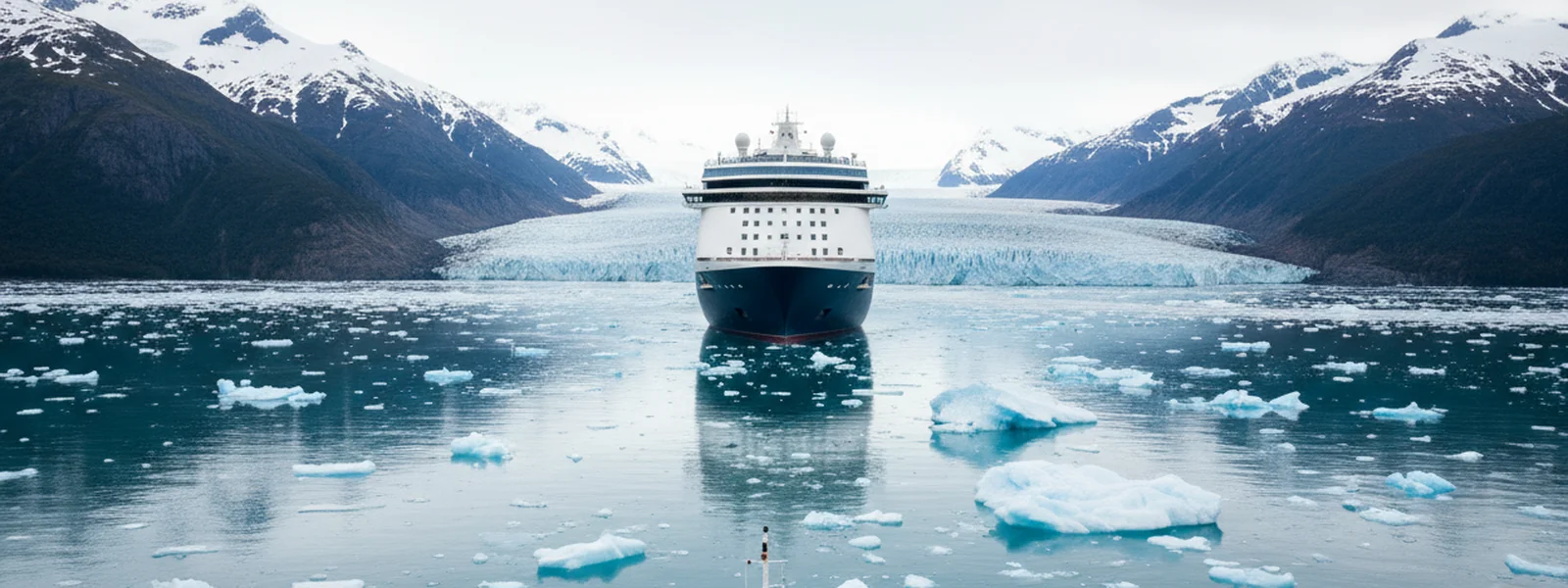
For many travelers, the highlight of an Alaska cruise is Glacier Day. It’s the day your ship slows, sometimes spins, and often lingers for hours in front of immense tidewater glaciers. Whether you’re sailing into Glacier Bay National Park, past the Hubbard Glacier, or through the narrow fjords of Tracy Arm, preparing for this experience means understanding the ice and knowing how to stay comfortable on deck.
This isn't just another scenic view; it's an immersive encounter with dynamic, ancient forces. To make the most of your glacier day on an Alaska cruise, a bit of preparation goes a long way. We’ve learned a few things over many sailings, and we're here to share our best alaska glacier viewing tips.
Understanding Glacier Dynamics: Calving and Movement
Alaska's glaciers are living rivers of ice, constantly flowing, albeit slowly, from high mountain icefields down to the sea. This movement is what defines them. A glacier isn't static; it's always advancing, retreating, and reshaping the landscape around it.
The most dramatic display of this movement is calving, where large chunks of ice break off the glacier's face and crash into the water below. The sound can range from a sharp crack to a thunderous roar, often followed by a wave. You might see smaller icebergs, called 'bergy bits' or 'growlers,' floating in the water, remnants of previous calving events. Observing this process is a core part of the Glacier Bay experience and other glacier-viewing areas.
Choosing the Best Glacier Viewing Day: Glacier Bay, Hubbard, Tracy Arm
Most Alaska cruises feature at least one significant glacier viewing day. The most renowned is often a full day spent in Glacier Bay National Park, a protected marine wilderness covering 3.3 million acres. Here, ships typically visit two tidewater glaciers, often Margerie and Grand Pacific, allowing ample time for viewing and naturalist commentary.
The Hubbard Glacier, located in Disenchantment Bay near Yakutat, is another impressive option, known as one of North America's most active tidewater glaciers. Its immense size—up to 400 feet tall at its face—is staggering. Tracy Arm Fjord, south of Juneau, offers a different experience, with ships navigating a narrow, scenic waterway to reach the twin Sawyer Glaciers. Each offers unique alaska glacier viewing tips and perspectives, but all demand the right preparation.
For those inspired by the grandeur of Glacier Bay, explore our Glacier Bay Shirts collection, featuring designs that capture the park's iconic landscapes and wildlife in WPA-poster style.
Essential Gear: Layers, Windproof Outer, Hat, Gloves
The number one rule for what to wear glacier day is layers. Even in July or August, temperatures on deck in front of a glacier can drop to the low 40s or high 30s Fahrenheit, especially with the wind chill. The wind whipping off the ice can be persistent and cold, making a warm outer layer essential.
Start with a moisture-wicking base layer, add a warm mid-layer like a fleece or wool sweater, and top it with a waterproof and windproof jacket. This outer shell is critical for blocking the chill and any unexpected spray from calving events. Don't forget a warm hat that covers your ears and a pair of gloves or mittens. Warm socks are also important for keeping your feet comfortable over several hours of standing on deck.
Our Alaska Cruise Hoodies are designed for exactly these conditions, offering warmth and a classic WPA-poster design that feels right at home on an Alaska deck.
Consider our Most Likely to be Amazed by Glaciers T-Shirt as a base layer under your warmer outerwear for a nod to the day's main event.
Camera Settings and Tips for Capturing Ice
Capturing the scale and detail of glaciers requires a bit of photographic foresight. The bright white of the ice against a often-gray sky can trick your camera's light meter, leading to underexposed images. Consider overexposing by about +1 to +2 stops to ensure the ice appears white, not gray.
Use a polarizing filter to reduce glare off the ice and water, enhancing color saturation and detail. For capturing calving events, switch to a continuous shooting mode and use a fast shutter speed (1/500th of a second or faster) to freeze the action. Don't forget wide-angle shots to convey the immense scale, and zoom in for details of the ice face, crevasses, and any wildlife like seals or birds that might be present.
Binoculars: A Must-Have Accessory
While the glaciers themselves are massive, much of the subtle beauty and activity happens at a distance. Binoculars are not optional for glacier day; they are a must-have. They allow you to observe the intricate blue hues within the ice, spot distant wildlife on icebergs or shorelines, and get a closer look at the glacier's texture and features.
A pair of 8x42 or 10x42 binoculars offers a good balance of magnification and light gathering for shipboard viewing. Keep them readily accessible, perhaps in a small, waterproof bag around your neck or in an outer jacket pocket, so you don't miss any sudden action. They will significantly enhance your best glacier bay viewing experience.
Staying Comfortable for Hours on Deck
Glacier day often means spending several hours outdoors on the ship's open decks. Comfort is key to enjoying this extended viewing. Here's a quick list of considerations:
- Footwear: Wear waterproof, comfortable shoes with good traction. Decks can be wet from mist or rain.
- Snacks and Drinks: Bring a warm beverage in a thermos and a few snacks. Ship services might be busy, and you won't want to leave your viewing spot.
- Sun Protection: Even on cloudy days, UV rays can be strong. Use sunscreen and wear sunglasses, especially with the reflective properties of ice and water.
- Seating: Find a good spot early, but be prepared to stand for extended periods. Railings offer the best views but fill up quickly.
- Patience: Glaciers move on their own schedule. Calving isn't constant, so settle in and enjoy the quiet grandeur between events.
Our Recommended Apparel for the Perfect Viewing Experience
Beyond the functional layers, what you wear also contributes to the experience. We believe your apparel should reflect the spirit of the place. Our designs, inspired by vintage WPA national-park posters, are made for the traveler who appreciates the natural beauty of Alaska without the novelty puns.
A foundational piece like one of our Alaska Long Sleeve Shirts provides a versatile layer, perfect for cool mornings or as part of your multi-layer system.
For a truly comfortable and stylish option, consider our Comfort Colors Alaska Tees. These garment-dyed shirts offer a lived-in feel and an earth-tone palette that blends seamlessly with Alaska's natural environment. They are designed to be worn well, both on the deck and back home, long after your glacier day alaska cruise has concluded.
Our 2026 Alaska Cruise Amazing Memories T-Shirt, for instance, offers a design that captures the essence of the journey without being loud. It's the kind of souvenir that subtly reminds you of the immense scale of the ice you witnessed.
Whether you're watching a brown bear on the shoreline or waiting for a massive piece of ice to calve, being prepared ensures you can focus on the spectacle. These alaska glacier viewing tips are drawn from years of experience on these waters. The key is to dress for the reality of the weather, have your viewing tools ready, and immerse yourself in the awe of Alaska's glaciers.
Further Reading
For more insights on planning your trip, consider reading our article on How to See Wildlife on an Alaska Cruise: Tips from the Experts. You might also find our guide to the Best Side of the Ship for an Alaska Cruise: Inside Tips helpful for maximizing your views throughout the journey.

Published by Alaskan Cruise Shirts
Alaska, Worn Well
Frequently Asked Questions
What is Glacier Day on an Alaska cruise?
Glacier Day is a dedicated portion of your Alaska cruise itinerary where the ship sails into a glacier-rich area, such as Glacier Bay National Park or past the Hubbard Glacier. The ship often slows down and allows passengers several hours to view the glaciers, listen to naturalist commentary, and witness calving events.
What should I wear for Glacier Day in Alaska?
Layers are crucial for Glacier Day. Start with a moisture-wicking base layer, add a warm mid-layer like fleece, and top it with a waterproof and windproof outer jacket. A warm hat, gloves, and comfortable, waterproof shoes are also essential to stay warm against the cold wind off the ice.
Which are the best glaciers to see on an Alaska cruise?
Glacier Bay National Park is widely considered a highlight, offering views of multiple tidewater glaciers like Margerie and Grand Pacific. The Hubbard Glacier is known for its immense size and frequent calving. Tracy Arm Fjord provides a scenic journey to the Sawyer Glaciers. Each offers a distinct viewing experience.
Are binoculars necessary for glacier viewing?
Yes, binoculars are highly recommended. They allow you to see intricate details of the ice, spot distant wildlife on icebergs or shorelines, and enhance your appreciation of the glacier's features. A pair of 8x42 or 10x42 is a good choice for shipboard viewing.
How cold does it get on deck during Glacier Day?
Even in summer, temperatures on deck during Glacier Day can range from the low 40s to low 50s Fahrenheit, often feeling colder due to wind chill from the ice. Proper layering, including windproof outerwear, is vital for comfort.
What is glacier calving?
Glacier calving is the process where large chunks of ice break off the face of a tidewater glacier and fall into the water. This can create impressive splashes and loud sounds, ranging from cracks to thunderous roars, and is a significant part of the glacier viewing experience.
First Look at New Alaska Designs
New ports, new parks, new wildlife — get first access to every new alaska cruise shirt drop plus insider packing tips for the Inside Passage.