
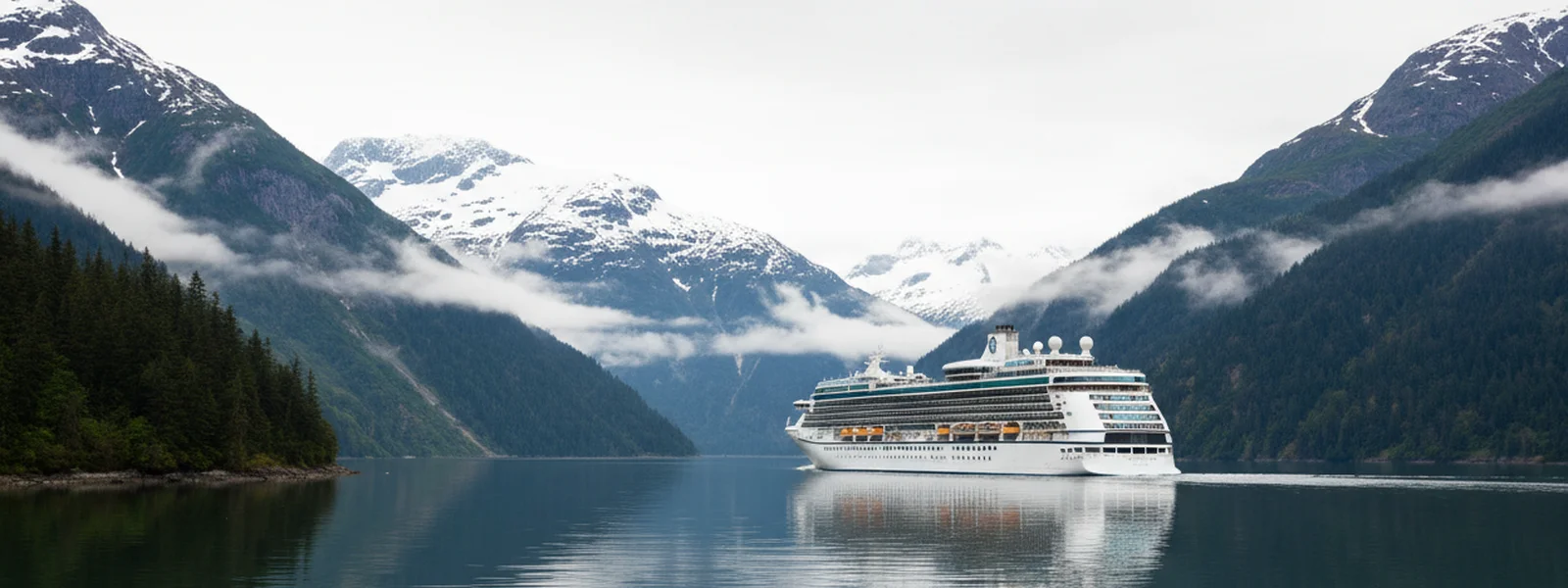
An Alaska cruise promises spectacular scenery, from tidewater glaciers to dense coastal rainforests. To truly enjoy the Inside Passage, understanding the alaska cruise weather by month is essential. Alaska's summer cruise season, running from May through September, brings a range of conditions. Expect cool temperatures, varying precipitation, and long daylight hours. Packing wisely, with an emphasis on layers, will ensure comfort whether you are watching for whales from the deck or exploring a port town like Juneau. We've sailed these waters many times, and we know that the right gear makes all the difference for enjoying the 48°F deck conditions.
May: Spring Shoulder Season
May marks the unofficial start of the Alaska cruise season, offering a distinct experience for those who prefer fewer crowds. This spring shoulder season typically brings cooler, often crisper air, with average daytime temperatures in port towns like Juneau ranging from 40°F to 55°F. Precipitation is generally lower than in later summer months, though occasional rain is always a possibility. The landscape is awakening, with snow still capping the higher peaks, creating dramatic contrasts against the emerging greenery. For many, May is the best month for an Alaska cruise if quiet contemplation and early season wildlife spotting are priorities. Bears are more frequently seen foraging as they emerge from hibernation, and migratory birds are returning to nest. Glacier activity, with impressive calving events, is common in Glacier Bay and Endicott Arm, often viewed from a less crowded deck.
When packing for a May cruise, layers are not just suggested; they are essential. A warm, moisture-wicking base layer, followed by a substantial fleece or wool sweater, and topped with a waterproof and windproof outer shell, will ensure comfort. Don't forget insulated gloves and a warm hat for those chilly mornings spent on the open deck, watching the scenery unfold. Our
offer a practical starting point for these cool, wet mornings, providing a comfortable base layer that holds its shape.June: Peak Daylight and Warming Days
As June progresses, Alaska fully embraces its summer identity. Days grow noticeably longer, with the summer solstice bringing nearly 20 hours of daylight to places like Juneau. This extended light dramatically increases opportunities for shore excursions and scenic viewing. Temperatures warm up, with averages typically between 50°F and 65°F in the major ports. While June can still bring rain, it often features more stretches of clear, sunny weather compared to May, making it a strong contender for the best month for an Alaska cruise for those prioritizing daylight and slightly warmer conditions.
The natural world thrives in June. Humpback whales are abundant, feeding in the rich waters, and bald eagles are frequently spotted. The landscape is vibrantly green, with wildflowers beginning to dot the meadows. This is an ideal time for active excursions, from kayaking in Sitka's protected coves to exploring the Mendenhall Glacier in Juneau. For those considering an anchorage weather cruise extension, June offers pleasant conditions for exploring Denali National Park or the Kenai Fjords.
For a June cruise, flexible layering remains key. You'll want a versatile mid-layer, perhaps a comfortable fleece or a durable hoodie. Our
are designed to provide genuine warmth on deck or during shore excursions, offering both comfort and a classic WPA aesthetic. Light, quick-drying pants are also advisable, ready for any sudden showers.July & August: Warmest Temperatures, Busiest Season
July and August represent the heart of the Alaska cruise season, drawing the largest number of visitors. These months typically offer the warmest temperatures, with averages ranging from 55°F to 70°F in many coastal areas. While this warmth is inviting, it's important to remember that Alaska is rarely hot; expect pleasant, mild conditions. These months are also the busiest, with peak crowds in popular ports and on excursions. For many, the consistent warmth makes this the best month for an Alaska cruise for comfort, despite the increased popularity.
Despite the relative warmth, rain is a consistent factor. Ketchikan, situated in a temperate rainforest, averages significant rainfall during these months. A reliable waterproof jacket is essential, even if you only need it for intermittent showers. Wildlife viewing is at its peak. Salmon runs attract brown bears to rivers, particularly in areas accessible from ports like Ketchikan or near Katmai National Park, while marine life, including whales, seals, and sea lions, is highly active. This is also a prime time for spotting puffins and other nesting seabirds.
When considering alaska cruise weather by month for July and August, your packing should reflect versatility. A comfortable t-shirt or a lightweight long-sleeve serves as an excellent base. Our
, with their garment-dyed, lived-in feel, are perfect for this. Layer a light fleece or sweater over it, and always have that waterproof outer shell ready. Sun protection, including sunglasses and a wide-brimmed hat, is also important due to the long daylight hours, even on cloudy days.September: Fall Colors and Aurora Potential
September marks the transition to fall, offering a distinct and often quieter Alaska cruise experience. The crowds begin to thin, and a new palette of colors emerges across the landscape. Daytime temperatures start to cool, typically ranging from 45°F to 58°F in port towns. While rain can be more frequent and sometimes heavier than in mid-summer, the reward is often clearer air and the potential for stunning fall foliage, particularly in the interior and along the White Pass near Skagway.
One of September's most compelling draws is the increasing chance of seeing the aurora borealis. As the nights grow longer, especially towards the latter half of the month, the conditions for aurora viewing improve significantly. This is especially true if your itinerary includes land extensions into the interior, such as an anchorage weather cruise component or a trip to Fairbanks. For those prioritizing fall colors and the chance of northern lights, September can be the best month for an Alaska cruise.
Packing for a September cruise should prioritize warmth. Think heavier fleeces, a good quality waterproof jacket, and even a light down vest. Warm hats and gloves are absolutely essential for chilly deck moments and any potential aurora viewing. Consider our
for a comfortable, no-hood option that provides excellent warmth in the cooler temperatures. Layering effectively will allow you to adapt to the brisk mornings and potentially milder afternoons.Temperature and Precipitation Averages for Key Ports
Understanding the specific weather patterns in the ports you'll visit can further refine your packing list. Here are some general averages for alaska cruise weather by month in key locations:
- Juneau Weather by Month:
- **May:** Avg. High 55°F, Avg. Low 40°F, Avg. Rain 4.5 inches
- **June:** Avg. High 62°F, Avg. Low 46°F, Avg. Rain 3.5 inches
- **July:** Avg. High 65°F, Avg. Low 50°F, Avg. Rain 4.0 inches
- **August:** Avg. High 64°F, Avg. Low 49°F, Avg. Rain 5.5 inches
- **September:** Avg. High 56°F, Avg. Low 44°F, Avg. Rain 7.5 inches
- Ketchikan: Known for its rainforest climate, Ketchikan sees higher precipitation.
- **May:** Avg. High 57°F, Avg. Low 42°F, Avg. Rain 6.0 inches
- **June:** Avg. High 63°F, Avg. Low 47°F, Avg. Rain 5.0 inches
- **July:** Avg. High 67°F, Avg. Low 52°F, Avg. Rain 5.5 inches
- **August:** Avg. High 67°F, Avg. Low 51°F, Avg. Rain 7.0 inches
- **September:** Avg. High 59°F, Avg. Low 46°F, Avg. Rain 10.0 inches
- Skagway: Often drier and with slightly wider temperature swings due to its interior location.
- **May:** Avg. High 59°F, Avg. Low 40°F, Avg. Rain 1.5 inches
- **June:** Avg. High 67°F, Avg. Low 46°F, Avg. Rain 1.5 inches
- **July:** Avg. High 70°F, Avg. Low 50°F, Avg. Rain 2.0 inches
- **August:** Avg. High 69°F, Avg. Low 49°F, Avg. Rain 2.5 inches
- **September:** Avg. High 60°F, Avg. Low 42°F, Avg. Rain 3.5 inches
- Seward / Anchorage Weather Cruise (for land extensions):
- **May:** Avg. High 57°F, Avg. Low 39°F, Avg. Rain 0.8 inches
- **June:** Avg. High 65°F, Avg. Low 47°F, Avg. Rain 1.0 inches
- **July:** Avg. High 68°F, Avg. Low 51°F, Avg. Rain 1.7 inches
- **August:** Avg. High 66°F, Avg. Low 49°F, Avg. Rain 3.0 inches
- **September:** Avg. High 57°F, Avg. Low 40°F, Avg. Rain 2.9 inches
These figures are averages, of course, and Alaska weather can be famously unpredictable. It's always wise to check the forecast closer to your departure.
How Weather Impacts Your Apparel Choices
No matter which month you choose for your Alaska cruise, layering is the single most important packing strategy. The temperature can fluctuate by 20 degrees or more in a single day, and conditions on deck are often significantly cooler and windier than in a sheltered port. For a deeper dive into preparing for specific experiences, our article on How to Prepare for Glacier Day on Your Alaska Cruise offers focused advice.
- Base Layer: Start with moisture-wicking t-shirts or long-sleeve shirts. These help regulate body temperature and keep you dry. Our or any of our make for a good base that still looks good at home.
Comfort Colors Alaska Tees
- Mid-Layer: This is your insulating layer. Fleece jackets, wool sweaters, or even a lightweight down vest work well. This layer provides warmth without excessive bulk. Our are designed for those chilly mornings watching for wildlife.
Alaska Cruise Hoodies
- Outer Layer: A waterproof and windproof jacket is non-negotiable. It should be breathable to prevent overheating during excursions. Look for one with a hood for added protection against rain and wind.
- Bottoms: Quick-drying pants are ideal. Jeans can be slow to dry if they get wet. Consider waterproof pants for excursions where rain is likely.
- Footwear: Waterproof walking shoes or hiking boots are essential, especially for shore excursions. The ground can be wet and muddy.
- Accessories: A warm hat, gloves, and a scarf will make a big difference, particularly when cruising through fjords or on the open deck. Even in July, the wind off a glacier can be surprisingly cold.
Remember that the goal is versatility. You want to be able to add or remove layers as conditions change throughout the day, from a sunny afternoon in port to a cool evening sailing through the Inside Passage. We design our apparel for this reality — pieces that are genuinely useful on the trip, not just souvenirs. You might also find our insights on Seattle vs. Vancouver: Which Alaska Cruise Departure Port is Better? helpful for planning your overall travel logistics.
Conclusion
Planning for alaska cruise weather by month ensures you make the most of your trip. Whether you prefer the quiet charm of May, the long daylight of June, the peak activity of July and August, or the autumnal colors and aurora potential of September, Alaska offers a unique experience. By focusing on smart layering and packing for variable conditions, you'll be well-prepared to enjoy every glacier, every port, and every wildlife sighting.
We started Alaskan Cruise Shirts on the deck of a Holland America ship, seeing a need for apparel that truly reflected the Alaska we were sailing past — not just corny puns or cruise-line logos. Every design, from our glacier scenes to our wildlife motifs, is drawn in the spirit of the 1930s WPA national-park posters. We make apparel for the traveler who wants a souvenir that still looks good at home in November, a quiet reminder of an unforgettable journey. Alaska, worn well.

Published by Alaskan Cruise Shirts
Alaska, Worn Well
Frequently Asked Questions
What is the warmest month for an Alaska cruise?
July and August typically offer the warmest temperatures for an Alaska cruise, with averages ranging from 55°F to 70°F in coastal areas. While pleasant, it's important to remember that Alaska rarely gets hot, so layering is still essential.
What is the rainiest month for an Alaska cruise?
September generally sees the highest average precipitation in many coastal areas of Alaska, particularly in places like Ketchikan. However, rain is a consistent factor throughout the entire cruise season, so always be prepared with waterproof gear.
When is the best time to see wildlife on an Alaska cruise?
Wildlife is active throughout the entire cruise season. However, July and August are often considered peak months for viewing a wide variety of animals, including bears drawn to salmon runs and abundant marine life like whales and puffins.
Can you see the Northern Lights on an Alaska cruise?
The chances of seeing the aurora borealis increase significantly in September, as the nights grow longer. For the best opportunity, consider a cruise in late September, especially if your itinerary includes land extensions into interior Alaska like Fairbanks or Anchorage.
What should I pack for an Alaska cruise?
Packing for an Alaska cruise should prioritize layers. Essential items include a moisture-wicking base layer, a warm mid-layer (like fleece or a hoodie), a waterproof and windproof outer shell, quick-drying pants, waterproof walking shoes, and accessories like a warm hat and gloves. Versatility is key.
First Look at New Alaska Designs
New ports, new parks, new wildlife — get first access to every new alaska cruise shirt drop plus insider packing tips for the Inside Passage.