
Spotting the Wild Side of Alaska: A Cruise Wildlife List
One of the enduring draws of an Alaska cruise is the promise of seeing wildlife in its natural setting. While there are no guarantees when it comes to animals in the wild, knowing what to look for, and where, can significantly improve your chances. This list covers the most common species you might encounter, offering a guide to the rich tapestry of life along the Inside Passage. For many travelers, spotting a brown bear or a humpback whale is a highlight of the trip, turning a scenic view into a memory. This isn't a safari, but an Alaska cruise wildlife list offers plenty to anticipate.
We started Alaskan Cruise Shirts on the deck of a ship because we wanted apparel that reflected the real Alaska we were seeing, not the generic gift shop fare. That same appreciation for authenticity guides our approach to the wildlife here.
Whales: The Giants of the Deep
Whale watching is a cornerstone of most Alaska cruise itineraries, particularly in Juneau, Icy Strait Point, and Glacier Bay. The best time for Alaska wildlife viewing for whales is typically from May through September, with peak activity in July and August as they feed in preparation for their migration south.
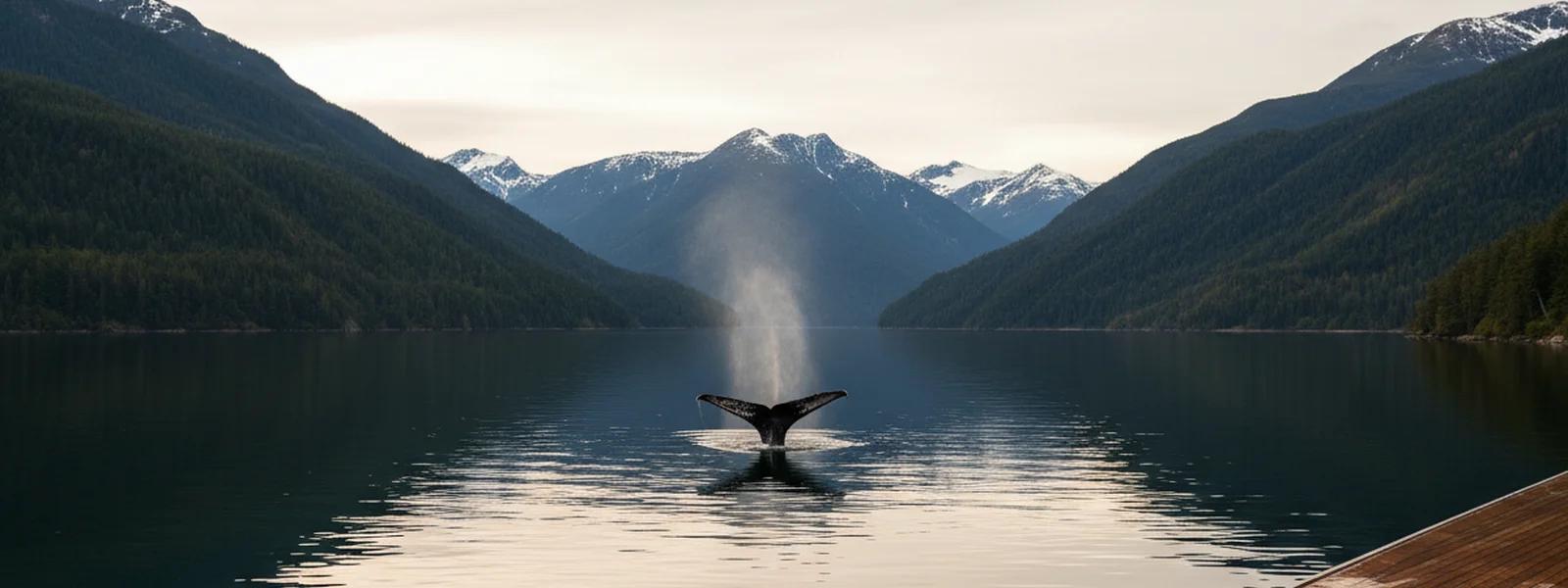
- Humpback Whales: These are the most commonly sighted whales. Look for their distinctive V-shaped blow, their massive flukes (tails) as they dive, and sometimes even a full breach. Glacier Bay National Park and the waters near Juneau are prime viewing areas. When you're out on deck for whale watching Alaska cruise excursions, the air can be cool, even in summer. A reliable layer like our can make a significant difference in comfort, allowing you to stay out longer.
- Orcas (Killer Whales): While less predictable than humpbacks, orcas are a thrilling sight. They travel in pods, often seen hunting seals or porpoises. Look for their tall dorsal fins slicing through the water. They are most commonly spotted in the Inside Passage, particularly around Prince William Sound.
Bears: Coastal Sightings and Park Visits
Spotting a bear in Alaska is a memorable experience. There are two main types you might see, each with distinct habitats and viewing opportunities. Understanding the difference between a brown bear and a grizzly is key to appreciating these animals.
- Brown Bears (Coastal Grizzlies): These large omnivores are often found along the coast, especially during the salmon run from late summer into fall. Places like Admiralty Island, near Juneau, have dense populations. From the ship, you might spot them foraging on shore in tidal flats. For closer views, specific shore excursions in places like Ketchikan or Hoonah often include bear viewing platforms.
- Black Bears: Smaller and more common than brown bears, black bears are often seen in forested areas. They can be elusive but are present in many parts of Southeast Alaska.
When planning a shore excursion that involves wildlife viewing, dressing in layers is always a good idea. Our
, for instance, offers a classic WPA-poster design that looks at home whether you're on a deck or a trail.Marine Mammals: The Smaller Residents
Beyond the whales, the waters of the Inside Passage teem with other marine life. These smaller mammals are often easier to spot from the ship or during smaller boat excursions.
- Sea Otters: Adorable and playful, sea otters are often seen floating on their backs, sometimes holding paws in rafts known as 'rafts.' They are common in protected coves and near shorelines throughout the Inside Passage, particularly around Sitka and Seward.
- Harbor Seals: These sleek, spotted seals are frequently seen hauled out on rocks, ice floes, or bobbing in the water. They are common in Glacier Bay and other glacial fjords.
- Dall's Porpoises: Fast and energetic, these porpoises often ride the bow waves of ships, creating a thrilling escort. Their black and white markings can sometimes be mistaken for orcas at a distance, but their smaller size and rapid movements distinguish them.
Our Alaska Wildlife Shirts collection features many of these animals, drawn in the same bold, scenic style as the vintage national park posters. They make for a good conversation starter back home.
Birds: Eagles, Puffins, and Seabirds
Alaska is a birdwatcher's paradise, home to a diverse array of avian species, many of which are easily spotted from your cruise ship or during port stops.
- Bald Eagles: The national bird is abundant in Alaska. You'll see them perched high in trees along the coastline, soaring overhead, or even fishing. Ketchikan and Juneau offer frequent sightings.
- Puffins: Both Horned and Tufted Puffins can be found in Alaska's coastal waters. With their distinctive colorful beaks and clumsy flight, they are a favorite among cruisers. Look for them in areas with strong ocean currents and rocky islets, such as the Gulf of Alaska and around the Kenai Peninsula.
- Seabirds: Common Murres, Black-legged Kittiwakes, and various gulls are ubiquitous. Keep an eye out for large colonies on cliffsides, particularly when cruising through fjords like Misty Fjords National Monument.
Terrestrial Mammals: Beyond the Bears
While often associated with land tours, some terrestrial mammals can occasionally be glimpsed from the ship or during shore excursions, especially in specific areas.
- Moose: These large deer are primarily found in interior Alaska, but occasionally, you might spot them in marshy areas near coastal towns like Seward or during scenic train rides from Skagway. Their impressive antlers are hard to miss.
- Caribou: Similar to moose, caribou are more common inland, particularly in Denali National Park. Spotting one from a cruise ship is unlikely but not impossible if you venture far enough into a land extension.
- Mountain Goats: These agile climbers are often seen on steep, rocky slopes and cliffsides in areas like Tracy Arm or Endicott Arm. Their bright white coats make them stand out against the dark rock faces, even from a distance.
What Apparel Helps You Blend In or Stay Warm for Viewing
The key to enjoying wildlife viewing on an Alaska cruise is comfort and preparedness. Alaska's summer weather is often cool and wet, with temperatures on deck averaging 48–55°F in places like Glacier Bay. Dressing in layers, even in July, is practical. A good long-sleeve tee can serve as a base layer, while a hoodie or crewneck sweatshirt offers essential warmth.
We design our apparel not just as souvenirs, but as functional garments that look good and feel right for the environment. Our
Glacier Bay National Park design
Whether you’re scanning the water for a humpback's fluke or searching the shoreline for a brown bear, wearing something comfortable and warm allows you to focus on the experience. Our
is a subtle nod to the natural wonders you'll encounter. The best time for Alaska wildlife viewing is when you're prepared to be patient and comfortable.For more insights on preparing for your trip, consider reading our article on 6 Alaska National Parks You Can Actually See From a Cruise Ship, which ties into many of these wildlife habitats. Remember, the goal is to observe respectfully, leaving the wildlife undisturbed as you collect memories and perhaps a scenic, WPA-poster-style souvenir that still looks good at home in November.

Published by Alaskan Cruise Shirts
Alaska, Worn Well
Frequently Asked Questions
What is the best time for Alaska wildlife viewing?
The peak season for wildlife viewing on an Alaska cruise is generally from June through August. During these months, migratory whales are abundant, and bears are active, especially as salmon runs begin in late summer. However, May and September can also offer excellent viewing opportunities with fewer crowds.
Where are the best places to see whales on an Alaska cruise?
Glacier Bay National Park, Icy Strait Point, and the waters around Juneau are prime locations for whale watching. Humpback whales are particularly common here, and you might also spot orcas. Many ports offer dedicated whale watching Alaska cruise excursions to get a closer look.
Are bears commonly seen from a cruise ship?
While less common than marine life, bears can sometimes be spotted from a cruise ship, especially in areas with abundant food sources along the shoreline, such as tidal flats or river mouths. For more reliable bear sightings, consider booking a shore excursion focused on bear viewing in places like Ketchikan or near Juneau.
What kind of birds can I expect to see on an Alaska cruise?
Alaska is rich in birdlife. You will likely see bald eagles soaring overhead or perched in trees. Puffins, with their distinct colorful beaks, are a favorite, often found in coastal waters. Various seabirds like gulls, murres, and kittiwakes are also common, especially when cruising near cliffs and islets.
What should I wear for wildlife viewing on an Alaska cruise?
Layering is key for an Alaska cruise. Even in summer, temperatures on deck can be cool, especially in glacial areas. A warm base layer, a long-sleeve shirt, and a waterproof or water-resistant outer layer are recommended. A cozy hoodie or crewneck sweatshirt is also practical for staying warm during extended viewing periods.
First Look at New Alaska Designs
New ports, new parks, new wildlife — get first access to every new alaska cruise shirt drop plus insider packing tips for the Inside Passage.