
The Best Side of the Ship for an Alaska Cruise: Inside Tips
Planning an Alaska cruise often brings questions about what to pack, what excursions to book, and even which side of the ship offers the best views. While there isn't one definitive "best side of ship alaska cruise" answer for every moment of your trip, understanding the typical routes and key viewing areas can help you maximize your experience. The Inside Passage is a dynamic waterway, and views unfold from all directions. We've sailed these waters enough to offer some practical advice on how to get the most out of your viewing opportunities, no matter where your cabin is located. Our goal is to help you connect with the genuine Alaska you'll be sailing past, not just the souvenir shop version.
The Inside Passage Route: Predictable Views and Surprises
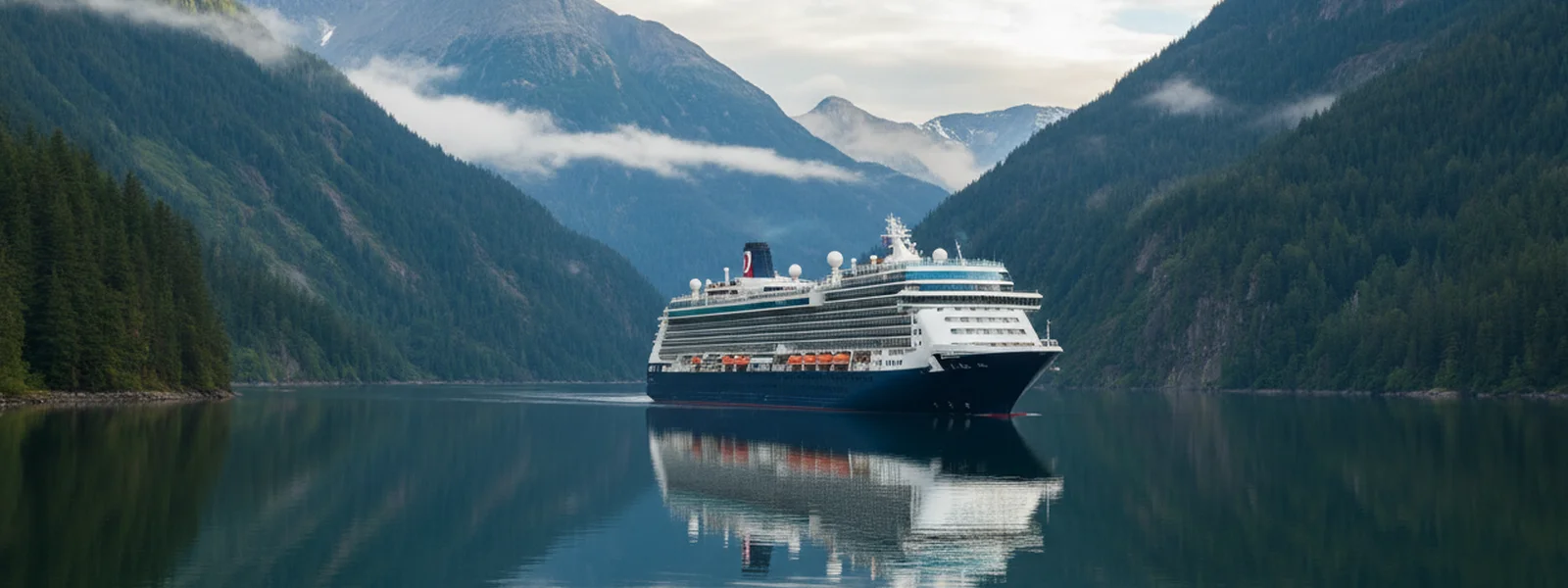
Most Alaska cruises depart from Seattle or Vancouver, navigating north through the sheltered waters of the Inside Passage. This stretch of coastline, a complex maze of islands, fjords, and narrow channels, offers continuous scenery for days. Generally, as you sail north from Seattle or Vancouver towards ports like Juneau and Skagway, the port side of the ship will be closer to the mainland, providing views of the coastal mountains, dense temperate rainforests, and occasional glimpses of remote communities. When heading south on the return journey, the starboard side will offer these same mainland perspectives.
However, the "best side of ship alaska cruise" for Inside Passage views isn't static. The ship's course will often adjust for navigation, marine traffic, or to offer a better look at specific features like a waterfall or a small island lighthouse. This means both sides get their share of the action. Don't worry if your cabin is on one particular side; the public decks, especially the open promenade areas, are designed for everyone to enjoy the passing landscape. These views, of the Chilkat Range across the Lynn Canal or the misty islands near Ketchikan, are what we draw inspiration from for our
. We create designs that evoke the quiet grandeur of these waterways.Glacier Bay National Park: The Grand Spectacle
For many travelers, Glacier Bay National Park is the undisputed highlight of an Alaska cruise. This is where the question of the "best side of ship alaska cruise" truly comes into play, though the answer remains nuanced. Ships spend a full day here, navigating deep into the bay's two arms to showcase tidewater glaciers like Margerie Glacier, Grand Pacific Glacier, and the Johns Hopkins Glacier.
Cruise lines are well aware that every passenger wants to see the ice calve. For this reason, ships typically perform a slow, deliberate 360-degree rotation in front of the most active glaciers. This ensures that every balcony, every public deck, and every vantage point eventually gets a turn with the prime view. The captain or a park ranger on board will often announce these rotations, giving you ample time to move to an outdoor deck or a different side of the ship. While one side might get the initial view, the other will follow shortly, often with different lighting or a fresh perspective.
The wind off the face of Margerie Glacier can have personality, so be prepared for cooler temperatures on deck. It's a day for layers.
Our "Most Likely to be Amazed by Glaciers" T-Shirt
Alaska Cruise Tip: Bring a mid-weight layer even in July. Glacier Bay cruising day averages 48–55°F on deck, and the wind off the ice is the real chill.
Port Arrivals: Views of Historic Towns
When your ship pulls into ports like Ketchikan, Juneau, or Skagway, the view from your cabin can vary significantly depending on how the ship docks. There isn't a consistent "best side of ship alaska cruise" for port views, as docking procedures can change based on pier availability, weather conditions, and other ships in port. For example, in Juneau, ships often dock along the Gastineau Channel, while in Skagway, they tie up at the end of the long pier.
Sometimes your ship will dock port side to the pier, offering immediate views of the town's waterfront. Other times, it might be starboard side to the pier, or even anchored in the harbor requiring tenders to shuttle passengers to shore. The important thing is to be awake and on a public deck as you approach a new town. The approach to Juneau, with the Gastineau Channel and surrounding mountains, or the entry into Skagway's narrow fjord, are sights worth seeing regardless of your cabin's orientation. These are the moments that truly connect you to the history and natural setting of these Alaskan communities.
For those planning their port days, knowing the weather can make a difference. Ketchikan averages 150+ inches of rain a year. If the forecast shows sun, change your plans to be outside and explore the totem poles or Creek Street.
Following the Sun: Maximizing Daylight and Photography
Alaska's summer days are remarkably long, with daylight stretching well into the evening, especially in June and July. This means you have ample time for viewing, but the position of the sun can significantly affect visibility and photography. The sun will generally be in the south during the middle of the day, moving towards the west in the evening.
If you're interested in capturing photographs, consider how the sun will illuminate the landscape. Early mornings can offer soft, diffused light, ideal for capturing the subtle colors of a misty fjord or the texture of distant mountains. Evenings can provide a golden hour glow, especially on the western-facing side of the ship, casting warm light on glaciers or coastal towns. The long daylight hours mean less urgency about catching a specific "best side of ship alaska cruise" view at a particular time, as the scenery is visible for most of your waking hours. For more on preparing for the weather, which directly impacts your viewing comfort, read our article on Alaska Cruise Weather by Month: May Through September 2026.
Using Your Cruise Line's Deck Plan and Public Spaces
Before you even board, take some time to review your cruise line's deck plan or "alaska cruise seating chart." This will give you a clear understanding of your specific ship's layout, including the location of public viewing decks, lounges with large windows, and any forward-facing observation areas. Many ships have open bow areas or promenade decks that wrap around the ship, offering 360-degree views accessible to all passengers.
Consider these options when planning your viewing strategy:
- Promenade Decks: Often found on lower decks, these outdoor spaces usually circle the entire ship, providing continuous views and fresh air. They are ideal for wildlife spotting.
- Observation Lounges: Typically located at the front of the ship on higher decks, these enclosed areas offer panoramic views, often with comfortable seating and warmth. They are excellent for cold glacier days.
- Lido Deck: The main pool deck usually has ample outdoor space for viewing, though it can be more crowded.
- Private Balconies: While offering convenience and a personal retreat, remember that the public decks often provide a wider, more unobstructed panorama that a single balcony cannot match. Don't stay cooped up.
Don't get too fixated on one specific "best side of ship alaska cruise" for your cabin. The ability to move around the ship and use these public spaces is a significant advantage, ensuring you don't miss any of Alaska's unfolding drama.
Being Prepared with Warm Layers for Extended Deck Time
Regardless of which side of the ship you find yourself on, one constant in Alaska is the need for warm layers. Even in the height of summer, temperatures on deck, especially when cruising past glaciers or at sea, can be cool. The wind off the ice or across the open water can have a real chill, even if the sun is out. A clear sky doesn't necessarily mean warmth.
Having a good hoodie or a comfortable crewneck sweatshirt is not just about staying warm; it's about being able to comfortably spend hours on deck watching for wildlife, glacier calving, or simply absorbing the vastness of the landscape. We started Alaskan Cruise Shirts because we wanted apparel that was genuinely useful on the trip, not just a souvenir. Our
are designed precisely for those cool deck mornings and glacier-viewing afternoons. For a lighter option that still provides coverage, consider our . They are practical for Alaska's cool, wet mornings and offer sun protection on brighter days.These are the garments you'll wear at 48°F on deck and still look good in back home in November. Consider our
for a classic look, or a warm layer like our in a long sleeve version to keep comfortable. The key is to dress in layers you can add or remove as conditions change throughout the day.For additional insights on planning your journey, you might find our article on Seattle vs. Vancouver: Which Alaska Cruise Departure Port is Better? helpful, as your departure point influences your initial Inside Passage views.
Conclusion
Ultimately, the "best side of ship alaska cruise" is the one you're standing on when a whale breaches, a glacier calves, or the sun sets over the Fairweather Range. While a port or starboard preference might exist for certain segments of the journey, the dynamic nature of an Alaska cruise means views unfold from every angle. Be prepared with layers, make full use of the public decks, and stay observant. Alaska will deliver memorable sights, no matter your cabin number or which side of the ship you wake up on. It's about being present and ready for the moment.

Published by Alaskan Cruise Shirts
Alaska, Worn Well
Frequently Asked Questions
Does the ship rotate in Glacier Bay for glacier viewing?
Yes, ships universally perform a slow 360-degree rotation in front of major tidewater glaciers like Margerie Glacier. This ensures that every passenger, regardless of cabin location, gets a prime view of the ice and any calving activity.
Is there a "best side" for seeing wildlife on an Alaska cruise?
Wildlife can appear on either side of the ship at any time. Rather than focusing on a specific side, the best strategy for spotting wildlife is to spend time on public outdoor decks, stay observant, and listen for announcements from naturalists or the bridge.
How important is my cabin's balcony for scenic viewing?
While a private balcony offers convenience, public observation decks, promenade decks, and lounges often provide a wider, more unobstructed panorama. Don't rely solely on your balcony; move around the ship to experience all the views.
What should I wear to stay comfortable while viewing outside?
Layering is key for Alaska's cool temperatures, even in summer. Bring mid-weight layers like a hoodie or a long-sleeve shirt. The wind off glaciers or open water can make deck temperatures feel colder than expected, averaging 48–55°F in Glacier Bay.
How can I prepare to get the best views of port towns?
Review your cruise line's deck plan to identify public viewing areas. As you approach ports like Juneau or Skagway, head to an open deck. Docking positions can vary, so the "best side" for port views changes each time.
First Look at New Alaska Designs
New ports, new parks, new wildlife — get first access to every new alaska cruise shirt drop plus insider packing tips for the Inside Passage.