
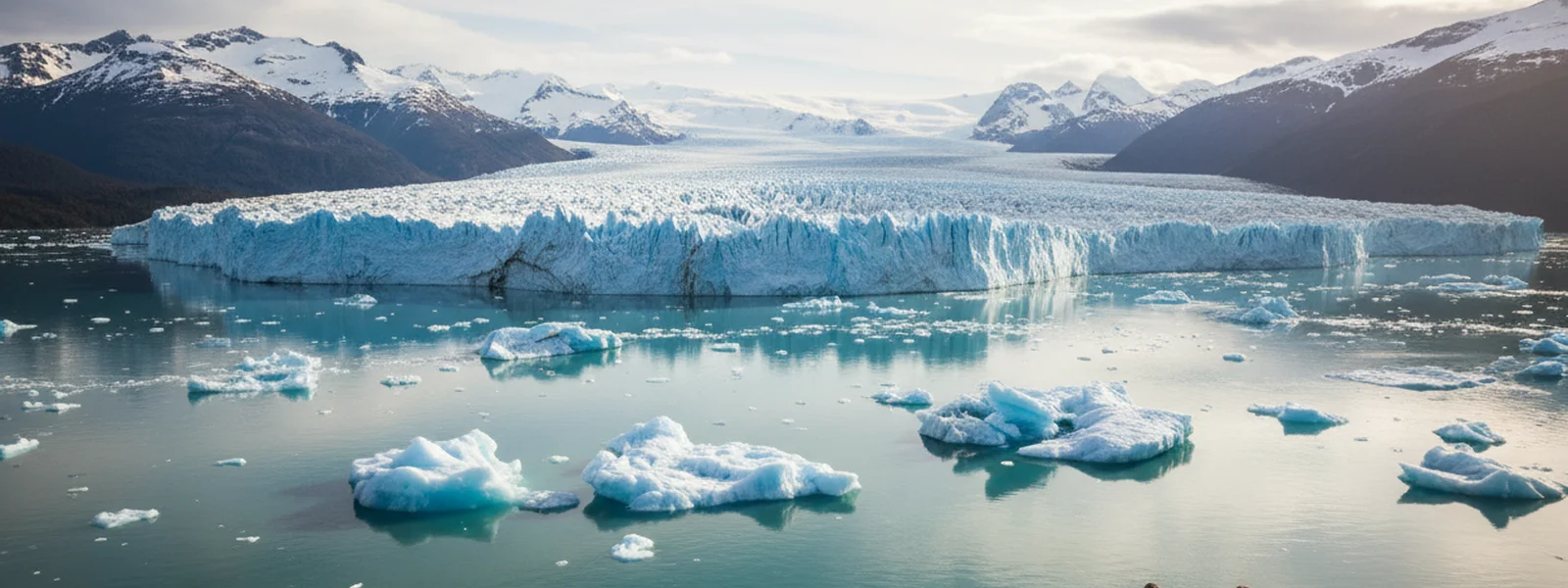
Glacier Bay National Park from the Deck: What to Watch For
A day spent cruising Glacier Bay National Park is often the highlight of an Alaska cruise. This 3.3-million-acre park and preserve, a UNESCO World Heritage Site, offers unmatched access to tidewater glaciers, abundant wildlife, and some of the most dramatic scenery along the Inside Passage. For many, it's the reason they booked an Alaska cruise in the first place.
Unlike a port day where you disembark, Glacier Bay is experienced entirely from the ship. This means preparing for a full day on deck, taking in the views as your vessel navigates the deep, icy fjords. Knowing what to look for, and where, can make all the difference.
The Geology of Glacier Bay: Tidewater Glaciers
Glacier Bay is a textbook example of glacial retreat and advance, a landscape still actively shaped by ice. The bay itself was entirely covered by a single, massive glacier just 250 years ago. Today, its waters reach 1,400 feet deep in places, carved by the same forces that continue to sculpt the surrounding Fairweather Range.
Tidewater glaciers are the main draw here. These are glaciers that flow all the way down to sea level, where their fronts calve ice directly into the ocean. The interaction of ice and salt water creates a dynamic, ever-changing environment. As your ship moves through the bay, you’ll see varying stages of ecological succession, from barren rock recently exposed by retreating ice to dense, mature forests.
Key Glaciers to Watch: Margerie, Grand Pacific, Johns Hopkins
While the park is home to numerous glaciers, a few stand out for their size and activity. Your ship's captain will likely spend considerable time in front of one or more of these, rotating the vessel for optimal viewing from both sides.
Margerie Glacier: Often the star of the show, Margerie is a tidewater glacier stretching 21 miles long and a mile wide. Its face rises 250 feet above the water and extends another 100 feet below. Margerie is known for its consistent calving activity, often shedding large chunks of ice into the bay. It's a striking blue-white, a color that speaks to the density of the ice. The ship will typically linger here for an hour or more, allowing for ample time to watch for glacier calving.
Grand Pacific Glacier: Located just to the left of Margerie (as you face them), the Grand Pacific Glacier offers a different visual. It’s a much larger glacier, about 35 miles long, but its face is often covered in rocky debris, making it appear darker. It’s currently in a period of retreat and doesn’t calve as dramatically as Margerie, but its sheer scale is impressive. The contrast between these two glaciers, side-by-side, offers a lesson in glacial dynamics.
Johns Hopkins Glacier: Found in a separate arm of Glacier Bay, Johns Hopkins is another active tidewater glacier. It's unique in that it's one of the few advancing glaciers in the park, pushing forward about 10-15 feet per day. Due to seal pupping season, large cruise ships often keep a respectful distance, but you can still appreciate its scale and the vibrant blue ice from afar.
For designs that capture the deep blues and imposing scale of these ice formations, explore our collection of Glacier Bay Shirts. They're designed in the spirit of vintage travel posters, featuring the very landscapes you'll see.
Wildlife Viewing Opportunities
Glacier Bay National Park is not just about ice; it's a vibrant ecosystem teeming with life. The cold, nutrient-rich waters support a diverse array of marine and terrestrial animals. Keeping a pair of binoculars handy is essential for spotting wildlife.
- Whales: Humpback whales are common, especially in the outer waters of the bay. Look for their tell-tale spouts, and if you're lucky, you might see them breach or fluke (show their tail). Orcas, or killer whales, are also present, though less frequently sighted.
- Seals and Sea Lions: Harbor seals often haul out on floating icebergs, particularly near the faces of tidewater glaciers. They blend in well, so keep a close watch. Steller sea lions can be found on rocky outcroppings and buoys, often in noisy colonies.
- Bears: Both brown bears (grizzlies) and black bears inhabit the park's forested shores. While harder to spot from a moving ship, look for them foraging along the shoreline, especially in areas with salmon streams.
- Birds: Glacier Bay is a birdwatcher's paradise. Keep an eye out for bald eagles soaring overhead or perched in tall trees. Puffins, guillemots, and various gulls are also abundant.
To celebrate the creatures you might encounter, browse our Alaska Wildlife Shirts, which feature many of the animals that call Glacier Bay home.
The Sounds of Calving Ice
One of the most memorable aspects of a Glacier Bay cruise is the soundscape. The air is often quiet, broken only by the ship's engines or the calls of birds, until suddenly, the glacier speaks.
Glacier calving creates a symphony of sounds. It can start with a deep crack, like thunder rumbling in the distance, followed by a sharp pistol-shot pop as a smaller piece breaks off. Larger events can produce a roar that echoes across the water, as tons of ice crash into the bay, sending up plumes of spray and generating small waves. The sound is often described as feeling primal, a reminder of the immense forces at work in this part of Alaska.
These sounds are not just auditory; they are a physical experience. You might feel a subtle vibration through the deck, a resonance from the sheer volume of ice dislodging. It's a moment that captures the raw power of the Alaskan wilderness, a moment that stays with you long after the ship has turned for its exit.
Best Viewing Spots on the Ship
To make the most of your Glacier Bay cruise day, consider these viewing strategies:
- Open Decks: The outer decks are typically the best for unobstructed views. Arrive early to claim a spot along the railing, especially if you have a preferred side for photography.
- Forward Observation Lounges: Many ships have enclosed observation lounges at the bow, offering warmth and panoramic windows. These can get crowded, so plan ahead.
- Stateroom Balconies: If you have a balcony cabin, it offers a private viewing experience. While the ship will rotate, you'll still have excellent views for significant portions of the day.
- Dress in Layers: Even on a sunny day, the air temperature on deck in Glacier Bay averages 48–55°F, and the wind coming off the ice can be quite chilling. A warm jacket, a hat, and gloves are recommended. A long-sleeve base layer under a fleece and a waterproof outer shell is a sensible approach.
Bring a mid-weight layer even in July. Glacier Bay cruising day averages 48–55°F on deck, and the wind off the ice is the real chill.
Apparel for Staying Warm and Comfortable on Deck
We started Alaskan Cruise Shirts on the deck of a Holland America ship, somewhere between Juneau and Skagway. We saw that the gift shops were full of cruise-line logos or corny puns, but nothing that looked like the Alaska we were actually sailing past. That experience taught us the importance of having the right gear for days like the one in Glacier Bay.
For a day on the outer decks, layering is key. A comfortable base layer, like one of our Alaska Long Sleeve Shirts, provides warmth without bulk. Over that, a cozy fleece or sweater is ideal. Finally, a waterproof outer shell is essential, as weather can change quickly in these northern waters.
Many travelers find a warm hoodie indispensable for those chilly deck mornings and glacier viewing. Our Alaska Cruise Hoodies are designed specifically for this reality, providing warmth and featuring designs that capture the essence of the landscapes you're exploring. Consider our
as a memento of the experience, or perhaps a for a classic look.The souvenir you want to bring home is one that still looks good in November, not just on the ship. Our designs, drawn in the spirit of 1930s WPA national-park posters, capture the bold colors and confident motifs of places like Glacier Bay, allowing you to carry a piece of that experience with you. Whether you choose a
for casual wear or a warmer layer, we aim for Alaska, worn well.A full day in Glacier Bay National Park is a profound experience, a chance to witness nature on a scale rarely seen. By knowing what to look for and dressing for the conditions, you can ensure it becomes a lasting memory of your Alaska cruise.

Published by Alaskan Cruise Shirts
Alaska, Worn Well
Frequently Asked Questions
What is the best way to see Glacier Bay National Park on a cruise?
Glacier Bay is typically experienced entirely from the deck of your cruise ship. The captain will navigate the fjords, often rotating the vessel to provide optimal views of glaciers and wildlife from all sides. Dressing in warm layers and having binoculars ready will enhance your viewing experience.
Which glaciers are most active in Glacier Bay?
Margerie Glacier is renowned for its consistent calving activity, where large pieces of ice break off and fall into the water. Johns Hopkins Glacier is also active and notable for its rare advancement. Grand Pacific Glacier is impressive for its scale but tends to calve less frequently.
What kind of wildlife can I expect to see in Glacier Bay?
Glacier Bay is rich in wildlife. You might spot humpback whales, orcas, harbor seals on ice floes, and Steller sea lions on rocky shores. Bald eagles are common, and if you're lucky, brown bears or black bears can be seen foraging along the distant shorelines.
How cold does it get on deck in Glacier Bay?
Even during summer, the average temperature on deck in Glacier Bay ranges from 48–55°F. The wind coming off the glaciers can make it feel significantly colder, so it's essential to dress in multiple warm layers, including a hat, gloves, and a waterproof outer shell.
Can I hear the glaciers calve from my cruise ship?
Yes, the sound of glacier calving is a distinct and memorable part of the Glacier Bay experience. It can range from a sharp crack to a thunderous roar as ice crashes into the water, creating echoes across the bay. These sounds are often felt as much as heard.
First Look at New Alaska Designs
New ports, new parks, new wildlife — get first access to every new alaska cruise shirt drop plus insider packing tips for the Inside Passage.