
7 Things Nobody Tells You About Glacier Bay Cruise Day
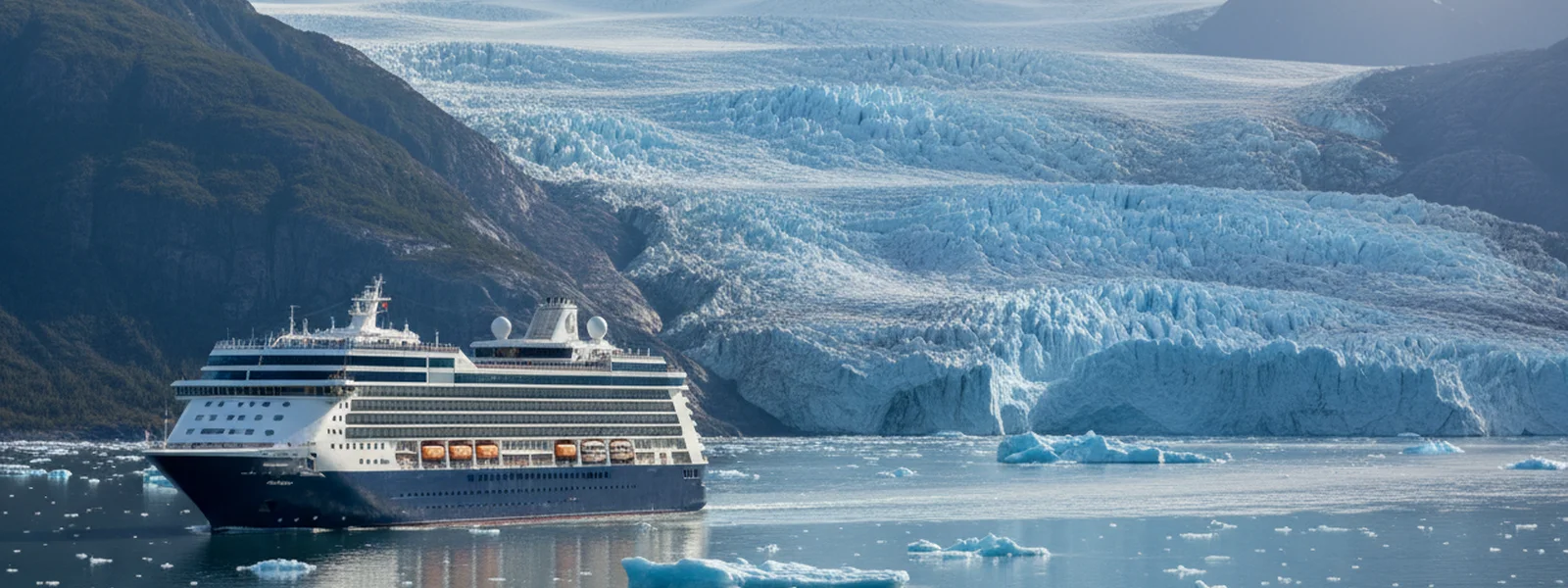
For many, a cruise into Glacier Bay National Park is the centerpiece of an Alaska itinerary. It’s the day the ship slows, the engines quiet, and the landscape shifts from green forests to a world of ice and rock. While guidebooks cover the basics, there are a few glacier bay cruise tips we’ve picked up over many sailings that often go unmentioned. These details can transform a good glacier viewing into a truly memorable one.
Glacier Bay is a place that demands attention, a sensory experience unlike any other. It’s not just about seeing a glacier; it’s about understanding the scale, feeling the cold, and listening to the sounds of a landscape in constant motion. Here are seven things that nobody typically tells you about your Glacier Bay experience, offering some valuable alaska cruise glacier viewing tips to prepare you for the day.
1. The Sheer Scale: It’s Bigger Than You Think
You’ve seen photos, maybe even videos, but nothing truly prepares you for the vastness of Glacier Bay. The National Park and Preserve covers 3.3 million acres, an area larger than the state of Connecticut. As your ship navigates the deep fjords, the scale of the mountains, glaciers, and waterways can feel overwhelming.
The Fairweather Range, which defines much of the park's western boundary, features peaks that soar over 15,000 feet directly from sea level. When the captain turns the ship to give everyone a 360-degree view of a tidewater glacier like Margerie or Grand Pacific, the ice face can be a mile wide and hundreds of feet tall. This isn't just a scenic stop; it’s an immersion into a geologic process.
Understanding this scale helps you appreciate the journey. Look for our Glacier Bay Shirts, designed to capture the immensity of this park in the WPA poster style. Each one aims to portray the grandeur that often gets lost in smaller souvenir prints.
2. The Constant Sound of Ice
The silence of Glacier Bay is often emphasized, but it's a silence punctuated by sound. The most dominant is the ice itself. Glaciers are alive, moving rivers of ice, and they are noisy.
You’ll hear cracking, groaning, and popping as air bubbles trapped for millennia are released from the melting ice. Then there’s the thunder. When a large piece of ice, a skyscraper-sized chunk, calves from the glacier face and crashes into the water, the sound reverberates through the fjord. It’s a deep, resonant boom that can startle you, even when you’re expecting it. These moments are a visceral reminder of the power of nature.
Keep your ears as open as your eyes. The sounds are as much a part of the Glacier Bay experience as the sights. It’s a symphony of ice and water, a constant, low rumble that reminds you where you are.
3. Unexpected Wildlife Sightings
Glacier Bay isn't just about the ice; it's a thriving ecosystem. While you’ll certainly be looking for calving glaciers, keep an eye out for wildlife, often in unexpected places. Marine life is abundant: humpback whales feed in the nutrient-rich waters, sea lions haul out on rocky islets, and harbor seals often rest on small ice floes, sometimes with their pups.
On shore, you might spot brown bears foraging along the shoreline, mountain goats clinging to steep cliffs, or eagles soaring overhead. The key is patience and observation. Sometimes, the best sightings happen when the ship is simply drifting, allowing wildlife to approach or emerge from cover naturally.
Bring binoculars, and don't be afraid to ask others what they're seeing. A collective effort often yields more sightings. Our Alaska Wildlife Shirts feature many of the animals you might encounter in the park, from bears to whales, celebrating the diverse life of this region.
4. The Wind Chill Factor is Real
Even in the height of summer, a day spent on the open deck in Glacier Bay will be cold. The air temperature might hover in the high 40s or low 50s Fahrenheit, but the wind coming off the glaciers adds a significant chill. This is not the day for a light jacket.
We've seen countless first-time cruisers underestimate this, retreating indoors after an hour, missing out on prime viewing. The wind can be relentless, and when combined with the damp air, it penetrates layers quickly. Think of it as a constant, natural air conditioner.
Our 2026 Alaska Cruise Most Likely to be Amazed by Glaciers T-Shirt, for instance, is a great base layer, but you'll want something substantial over it.
This is why proper layering is not just a suggestion for an Alaska cruise; it's a necessity, especially on a Glacier Bay cruise day. You'll want a warm hat, gloves, and a windproof outer shell to truly enjoy your time on deck.
5. Ranger Commentary: Essential Listening
Every cruise ship entering Glacier Bay National Park carries a team of National Park Service rangers. These aren't just guides; they are experts in glaciology, ecology, and the cultural history of the Huna Tlingit people who have called this area home for centuries.
Their commentary, broadcast throughout the ship, is invaluable. They provide context for what you're seeing, explain the geological processes at play, identify wildlife, and share stories that bring the landscape to life. They can point out details you would otherwise miss, like specific bird species or the subtle signs of glacial retreat.
Make an effort to listen. Attend their presentations, which are often held in the ship's lounges. Their insights deepen your understanding and appreciation of this unique environment. It transforms a scenic viewing into an educational journey.
6. Small Ship Advantages for Close-Up Views
While most cruisers visit Glacier Bay on large ships, it's worth understanding the advantages that smaller vessels offer. Smaller ships (typically under 200 passengers) often have permits to enter narrower arms and get closer to glacier faces than the larger cruise liners. This translates to more intimate, often prolonged, viewing opportunities.
If you're on a larger ship, you'll still get incredible views, but you might not experience the same level of proximity. The ship's captain will rotate the vessel to ensure everyone on board gets a good vantage point, but the sheer size of the ship dictates a certain distance from the ice.
Regardless of your ship's size, stake out a good spot early on the observation deck. Bring a pair of binoculars to enhance your Alaska Mountains & Scenery Shirts, focusing on the intricate details of the ice and rock formations.
7. Dressing for the Elements
We’ve mentioned the cold, but dressing appropriately is paramount for maximizing your Glacier Bay experience. This isn't just about staying warm; it's about comfort that allows you to remain outside, observing, for hours.
- **Base Layer**: Start with a moisture-wicking long-sleeve shirt. This helps regulate body temperature. Our Alaska Long Sleeve Shirts are a good option for this.
- **Mid-Layer**: A fleece jacket or a warm sweater provides insulation. This is where a good hoodie shines.
- **Outer Layer**: A waterproof and windproof jacket is essential. Alaska's weather can shift quickly, and even light drizzle feels colder with the wind.
- **Bottoms**: Waterproof or water-resistant pants are ideal, especially if you plan to be active on deck.
- **Accessories**: A warm hat that covers your ears, waterproof gloves, and comfortable, waterproof shoes are non-negotiable.
For that crucial mid-layer, consider our Alaska Cruise Hoodies. They are designed for the 50°F summer reality of Alaska and are genuinely useful on the trip, not just a souvenir. Imagine standing on deck, shielded from the wind, watching a glacier calve — that's the utility we build for.
Don't let inadequate clothing cut short your time on deck. The best views, and the best memories, are made when you're comfortable enough to soak it all in. Glacier Bay is a truly special place, and being prepared for its unique conditions ensures you get the most out of your day.
Alaskan Cruise Shirts started because we wanted apparel that reflected the real Alaska we were sailing past, not just generic souvenirs. Our designs, like our
or anything from our Glacier Bay Shirts collection, are drawn in the spirit of the 1930s WPA national-park posters—clean, scenic, and proud of the place. They’re made for the traveler who wants a souvenir that still looks good at home in November, a quiet reminder of a truly remarkable day.
Published by Alaskan Cruise Shirts
Alaska, Worn Well
Frequently Asked Questions
What is the best way to see Glacier Bay National Park?
Most visitors experience Glacier Bay via a cruise ship, as it's primarily accessible by water. Cruise lines obtain permits to enter the park, offering a full day of scenic cruising through fjords and past tidewater glaciers. Some smaller expedition ships may offer more intimate experiences and closer access to certain areas.
How cold does it get in Glacier Bay, even in summer?
Even during peak summer months (July-August), temperatures in Glacier Bay typically range from 40-55°F (4-13°C). However, the wind coming off the glaciers can create a significant wind chill, making it feel much colder. Layers, a warm hat, and windproof outer shell are essential for comfort on deck.
What kind of wildlife can I expect to see in Glacier Bay?
Glacier Bay is rich in wildlife. You might spot humpback whales feeding, harbor seals resting on ice floes, sea lions on rocky outcrops, and sea otters in the water. On land, look for brown bears, mountain goats, and a variety of seabirds, including puffins and eagles. Binoculars are highly recommended.
Are there National Park Rangers on board during a Glacier Bay cruise?
Yes, cruise ships entering Glacier Bay National Park carry National Park Service rangers. They provide commentary, answer questions, and offer educational presentations about the park's geology, ecology, and cultural history. Their insights greatly enhance the viewing experience.
What is 'calving' and why is it significant in Glacier Bay?
Calving is the process where chunks of ice break off from a glacier's edge and fall into the water. In Glacier Bay, witnessing a large glacier calve is a highlight for many, often accompanied by a thunderous roar. It's a dramatic demonstration of the glacier's movement and the forces shaping the landscape.
Should I bring binoculars for my Glacier Bay cruise?
Absolutely. Binoculars are invaluable for enhancing your Glacier Bay experience. They allow you to get closer views of wildlife, observe details on glacier faces, and appreciate distant scenery that would otherwise be missed. Many ships also have communal binoculars available, but having your own is convenient.
First Look at New Alaska Designs
New ports, new parks, new wildlife — get first access to every new alaska cruise shirt drop plus insider packing tips for the Inside Passage.