
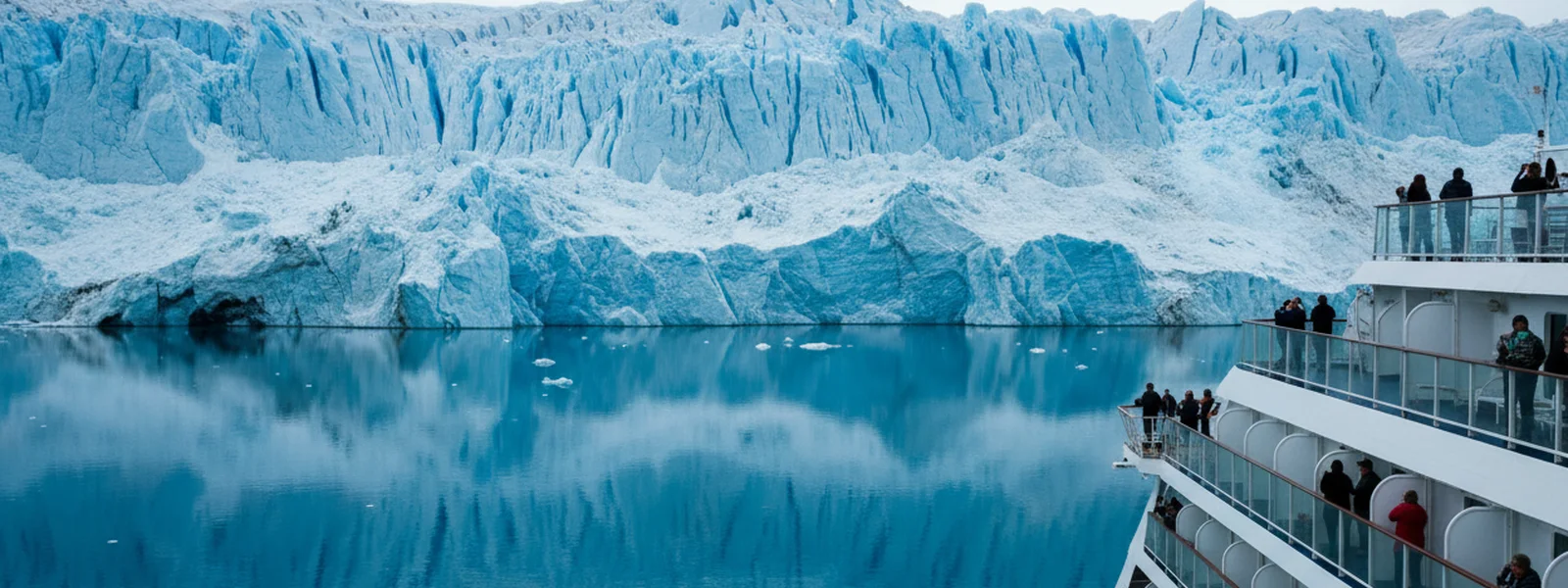
Hubbard Glacier: North America’s Largest Tidewater Glacier
A cruise through Alaska’s Inside Passage offers many moments of quiet awe, but few compare to the scale of Hubbard Glacier. For those on a Hubbard Glacier cruise, this isn't just another scenic stop. It's an encounter with North America's largest tidewater glacier, a living, moving ice mass that reshapes the landscape daily. Understanding what you are seeing makes the experience more profound.
Hubbard Glacier stretches over 76 miles from its source in the Yukon to its terminus in Disenchantment Bay, near Yakutat, Alaska. Its face, the part visible from your ship, can be up to six miles wide. This sheer size alone sets it apart, earning it the distinction of being the largest glacier Alaska offers for viewing by cruise ship.
The Scale of Hubbard Glacier: A River of Ice
To grasp the true dimension of Hubbard Glacier, consider its reach. Originating from Mount Logan, Canada’s highest peak, it is fed by a vast icefield. The glacier’s massive terminus, where it meets the sea, can tower over 400 feet high in places, with roughly 350 feet of that submerged beneath the water.
Unlike many other glaciers in Alaska, Hubbard is an advancing glacier. It continues to grow and push forward, a rare phenomenon in an era of widespread glacial retreat. This dynamic nature contributes to its dramatic visual impact and frequent calving events.
A Glacier in Motion: Tidewater Dynamics
Hubbard is classified as a tidewater glacier, meaning its terminus ends directly in the ocean. This interaction with saltwater is what allows for the spectacular calving that draws so many visitors. The constant pressure of the ice, combined with the erosive action of the ocean, causes large chunks to break away.
The glacier's advanced state means it is actively pushing against the seafloor and landmasses, creating a constantly changing environment in Disenchantment Bay. This makes for dynamic Alaska mountain and scenery shirts, capturing the power of these landscapes.
The Roar and the Splash: Calving Events
One of the most anticipated events on a Hubbard Glacier cruise is witnessing a calving. This is when immense pieces of ice break off the glacier's face and crash into the bay. The sound can range from a sharp crack to a deep thunderous roar, echoing across the water. The visual spectacle is equally striking, with plumes of spray rising hundreds of feet into the air.
These events are unpredictable but frequent. Patience on deck is often rewarded. The sight of a newly formed iceberg, shimmering blue in the frigid water, is a powerful reminder of the glacier's immense power and constant transformation.
Hubbard vs. Glacier Bay: A Tale of Two Glaciers
Many Alaska cruises feature both Hubbard Glacier and the glaciers within Glacier Bay National Park. While both offer incredible Glacier Bay shirts and sights, they provide different experiences. Glacier Bay features multiple tidewater glaciers, some retreating, some relatively stable, offering a panorama of glacial dynamics.
Hubbard, however, is often a singular, focused event. Its sheer size and active calving differentiate it. While Glacier Bay offers a broader educational experience about glacial ecosystems, Hubbard delivers a raw, visceral display of glacial power. For more context, consider reading our guide: Glacier Bay National Park from the Deck: What to Watch For.
Optimal Viewing on Your Ship
To make the most of your Hubbard Glacier viewing, positioning on the ship is key. Most cruise lines will rotate the ship 360 degrees to give passengers on all sides a chance to see the glacier face. However, finding a spot on an open deck, away from enclosed areas, offers the best sensory experience.
Bring binoculars to spot details in the ice formations and potential wildlife along the shore. Be prepared to spend a few hours on deck; the glacier often puts on its best show when you least expect it. The ship will often spend several hours in the bay, allowing for ample observation time.
Dressing for the Ice: Apparel for Chilly Conditions
Even in summer, the air temperature near Hubbard Glacier can drop significantly, often into the low 40s or 50s Fahrenheit, with a noticeable wind chill off the ice. Layers are essential. A warm base layer, a fleece, and a waterproof outer shell are standard recommendations.
Our Alaska Cruise Hoodies are designed for exactly these conditions. They offer warmth and comfort, allowing you to stay on deck longer without feeling the chill. Similarly, our Alaska Cruise Sweatshirts provide a classic, cozy layer.
For a lasting keepsake that reminds you of the immense scale of this natural wonder, consider our
. It’s a comfortable way to carry the memory of the ice with you.The Soundscape of Ice
Beyond the visual drama, the soundscape around Hubbard Glacier is unique. The crackle and pop of glacial ice, known as "bergy seltzer,

Published by Alaskan Cruise Shirts
Alaska, Worn Well
Frequently Asked Questions
How long is Hubbard Glacier?
Hubbard Glacier is approximately 76 miles long, stretching from its source in the Yukon, Canada, down to its terminus in Disenchantment Bay, Alaska. Its visible face at the ocean can be up to six miles wide.
Is Hubbard Glacier still advancing?
Yes, Hubbard Glacier is one of the few glaciers in Alaska that is currently advancing, rather than retreating. This active movement contributes to its frequent and dramatic calving events.
What is 'calving' at Hubbard Glacier?
Calving is the process where large chunks of ice break off the glacier's face and fall into the water. This creates a thunderous sound and sends plumes of water high into the air, a highlight of any Hubbard Glacier cruise.
How does Hubbard Glacier compare to glaciers in Glacier Bay?
Hubbard Glacier is significantly larger and generally more active in terms of calving compared to many of the glaciers in Glacier Bay National Park. While Glacier Bay offers a diverse glacial experience, Hubbard often provides a more focused and dramatic display of a single, powerful glacier.
What temperature should I expect when viewing Hubbard Glacier?
Even during summer months, temperatures near Hubbard Glacier can be quite cool, often ranging from the low 40s to 50s Fahrenheit (4-10°C). The wind coming off the ice can make it feel even colder, so layering warm clothing is essential.
Can you see wildlife near Hubbard Glacier?
Yes, it is common to spot wildlife in Disenchantment Bay near Hubbard Glacier. Harbor seals often rest on floating icebergs, and various seabirds are frequently seen. Occasionally, sea otters or other marine mammals might also be present.
First Look at New Alaska Designs
New ports, new parks, new wildlife — get first access to every new alaska cruise shirt drop plus insider packing tips for the Inside Passage.