
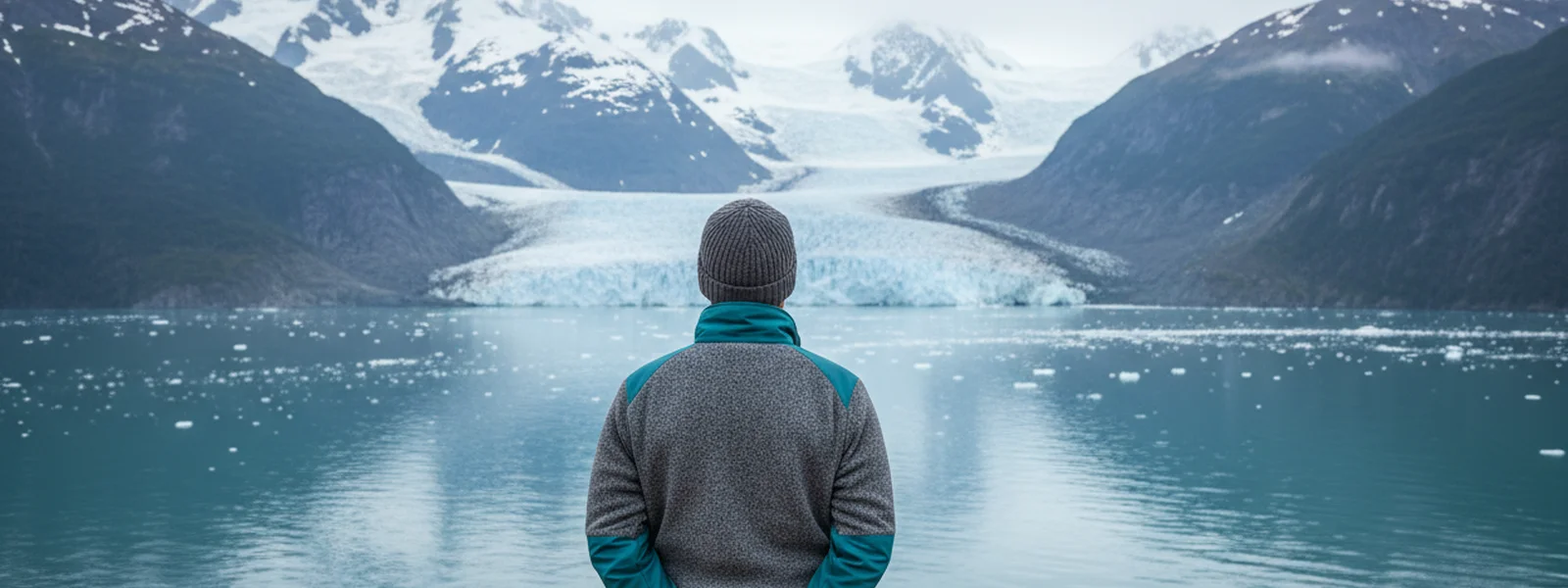
The Principle of Layering: Trapping Air for Alaska Cruise Comfort
Preparing for an Alaska cruise means packing smart, and at the heart of smart packing is understanding how to layer for Alaska cruise weather. The Inside Passage presents a unique climate: you might start your day with a brisk 45°F and a light drizzle in Glacier Bay, find yourself in a sunny 60°F afternoon in Juneau, and finish on deck watching for whales as the temperature drops again. The key to staying comfortable through these shifts is the principle of layering.
Layering works by trapping air between different garments, creating insulating pockets that keep you warm. When the temperature rises, you shed a layer; when it drops, you add one back. This adaptable system allows you to adjust your personal climate without needing a whole new outfit for every change in the forecast. It's less about thick, bulky clothing and more about strategic pieces that work together as an effective Alaska cruise clothing system.
Base Layers: Your First Line of Defense
The base layer is the foundation of any effective layering system. Its primary job is to manage moisture, wicking sweat away from your skin to keep you dry. Even in cool weather, activity can lead to perspiration, and damp clothing quickly saps body heat. This is why cotton, which absorbs moisture and dries slowly, is not ideal for an Alaska cruise. Instead, look for fabrics designed for performance.
- Merino Wool: Known for its natural temperature-regulating properties, merino wool keeps you warm when it's cold and cool when it's warm. It's also naturally odor-resistant, which is a significant benefit on a multi-day cruise.
- Synthetics: Polyester and other synthetic blends are excellent at wicking moisture and dry quickly. They're often more affordable than merino wool and can be very durable.
Our classic Alaska Cruise T-Shirts, while not technical base layers, are perfect for wearing over a thin synthetic layer or as a casual top in warmer port towns. Designs like our 2026 Alaska Cruise Amazing Memories T-Shirt pair well with the scenic backdrop.
Mid Layers: The Insulation Engine
Once your base layer is handling moisture, the mid layer steps in to provide insulation. This is where you trap the warmth. The thickness and material of your mid layer will depend on how cold you anticipate it being, but for an Alaska cruise, versatility is key. You'll want something that's easy to put on and take off.
- Fleece Jackets: A classic choice, fleece is lightweight, warm, and dries relatively quickly. A mid-weight fleece is usually sufficient for most Alaska summer days.
- Down Vests or Light Sweaters: These offer concentrated warmth for your core without adding bulk to your arms. A light down vest can be compressed easily for packing, making it a space-efficient option.
- Wool Sweaters: For those who prefer natural fibers, a light or medium-weight wool sweater can provide excellent warmth and breathability.
For that essential insulating layer, our Alaska Cruise Hoodies are a popular choice. They offer warmth for those 50°F deck mornings in Glacier Bay and are genuinely useful on the trip, not just a souvenir. Consider our 2026 Alaska Cruise Most Likely to be Amazed by Glaciers T-Shirt design on a comfortable hoodie for optimal warmth.
Outer Layers: Windproof and Waterproof Protection
The outer layer, often called the shell, is your shield against the elements. Alaska weather can be unpredictable, so a good outer layer needs to be both windproof and waterproof. This is not the place to compromise, as staying dry is critical to staying warm.
- Waterproof/Breathable Rain Jacket: Look for jackets made with Gore-Tex or similar proprietary waterproof-breathable membranes. These will keep rain out while allowing body vapor to escape, preventing that clammy feeling.
- Windproof Shell: Even without rain, the wind off a glacier or across the open water of the Inside Passage can be significant. A windproof layer will prevent heat loss.
Ensure your outer layer has a hood that can be adjusted to stay on in windy conditions. Pockets that can be sealed are also helpful for protecting small items from moisture.
Adapting Layers for Different Activities
Your Alaska cruise clothing system will need to adapt based on what you're doing. A day spent cruising the quiet waters of Misty Fjords calls for different layers than a brisk hike in Ketchikan or a White Pass train ride in Skagway.
- On Deck: When viewing glaciers or wildlife from the ship's deck, you'll likely need all three layers. The wind chill can be substantial, even on a sunny day. Remember that 48°F on deck with 35 knots of wind off Margerie Glacier feels colder than the thermometer suggests.
- In Port: When exploring towns like Juneau or Skagway, you might shed a mid layer, especially if you're walking actively. Keep your outer shell handy, as rain showers can appear suddenly.
- Shore Excursions: For activities like kayaking, glacier trekking, or active hiking, you might start with fewer layers to account for exertion, but always carry extra. A waterproof outer layer is non-negotiable for most excursions.
For cool mornings and shoulder-season sailings, our Alaska Long Sleeve Shirts provide an excellent base or light mid-layer. They are practical for Alaska's cool, wet mornings and pair well with a vest or fleece.
Our Apparel Recommendations for a Versatile System
While we specialize in the kind of scenic, vintage-poster Alaska apparel you'll actually want to wear, many of our pieces fit perfectly into a versatile Alaska cruise layering system. We design for the traveler who wants a souvenir that still looks good at home in November, not a Last Frontier pun with a cruise ship clip-art. Our WPA-style designs mean your layers can be both functional and expressive of the place.
For a comfortable, everyday base or light mid-layer, consider our Comfort Colors Alaska Tees. These garment-dyed, pre-faded shirts offer a lived-in look and earth-tone palette that blends with the natural beauty of the region. The soft, broken-in feel makes them a pleasure to wear all day, whether under a fleece or on their own in a warmer cabin.
Our Alaska 1959 Statehood Vintage T-Shirt, for instance, offers a classic look that works as a standalone piece or as part of your layering system. It's the kind of authentic design that speaks to the history and natural character of Alaska.
When the temperature drops, a warm outer layer is essential. Our Alaska Cruise Hoodies are designed with the 50°F summer reality of Alaska in mind. They provide genuine warmth for glacier-viewing days and serve as a comfortable, casual top layer for exploring ports or relaxing on the ship. The substantial fabric offers a good balance of warmth and comfort.
Building Your Alaska Cruise Wardrobe
Start with a few moisture-wicking base layers, add a couple of versatile mid layers, and top it off with a reliable waterproof and windproof outer shell. This combination will allow you to adjust to the variable conditions along the Inside Passage. Don't forget practical accessories like a warm hat, gloves, and waterproof footwear. Even in July, a warm hat can make all the difference when you're watching for humpbacks in the chilly morning air.
Remember, the goal is to be prepared for everything from cool, overcast mornings to bright, sunny afternoons and potentially rainy days. By understanding the principles of an effective Alaska cruise layering system, you can focus less on what to wear and more on the stunning views of Glacier Bay, the historic streets of Skagway, or the wildlife of Misty Fjords. We believe your apparel should enhance that experience, not detract from it. That's why we create designs that are as enduring as the landscapes they depict.
For more insights on dressing for your cruise, you might find our article Dressing for Dinner on an Alaska Cruise: Casual vs. Formal helpful, or if you're traveling with a partner, Alaska Cruise Couples Outfits: Coordinating Without Matching provides some practical advice.

Published by Alaskan Cruise Shirts
Alaska, Worn Well
Frequently Asked Questions
Why is layering so important for an Alaska cruise?
Alaska's Inside Passage experiences highly variable weather, often within a single day. Layering allows you to add or remove clothing as temperatures fluctuate, providing adaptable comfort from chilly glacier viewing to warmer port explorations. It's the most effective way to manage your body temperature and stay dry.
What kind of base layer should I pack for an Alaska cruise?
Choose moisture-wicking fabrics like merino wool or synthetics (polyester blends). These materials draw sweat away from your skin, keeping you dry and preventing heat loss. Avoid cotton for base layers, as it absorbs moisture and dries slowly, which can make you feel cold and clammy.
What's the best mid layer for insulation in Alaska?
Fleece jackets, light down vests, or wool sweaters are excellent choices for mid layers. They provide insulation by trapping warm air close to your body. A mid-weight fleece is generally sufficient for most summer conditions, offering warmth without excessive bulk and being easy to pack.
Do I really need a waterproof outer layer for an Alaska cruise?
Yes, a waterproof and windproof outer layer is essential. Alaska is known for its rain, especially in port towns like Ketchikan, and the wind off glaciers can be quite strong. Staying dry is paramount to staying warm, so invest in a quality rain jacket with a breathable membrane to protect against both rain and wind.
How many layers do I typically need on the ship's deck for glacier viewing?
For glacier viewing from the ship's deck, you will likely need all three layers: a moisture-wicking base, an insulating mid layer (like a fleece or hoodie), and a waterproof/windproof outer shell. The combination of cold air and wind off the ice can make it feel significantly colder than the ambient temperature, even on sunny days.
Should I pack different layers for port days versus sea days?
While the core layering system remains the same, you might adjust the number of layers. On active port days, you might shed a mid-layer due to physical exertion, but always keep your outer shell handy. Sea days, especially those spent on deck, often require all layers for maximum comfort against the elements.
First Look at New Alaska Designs
New ports, new parks, new wildlife — get first access to every new alaska cruise shirt drop plus insider packing tips for the Inside Passage.