
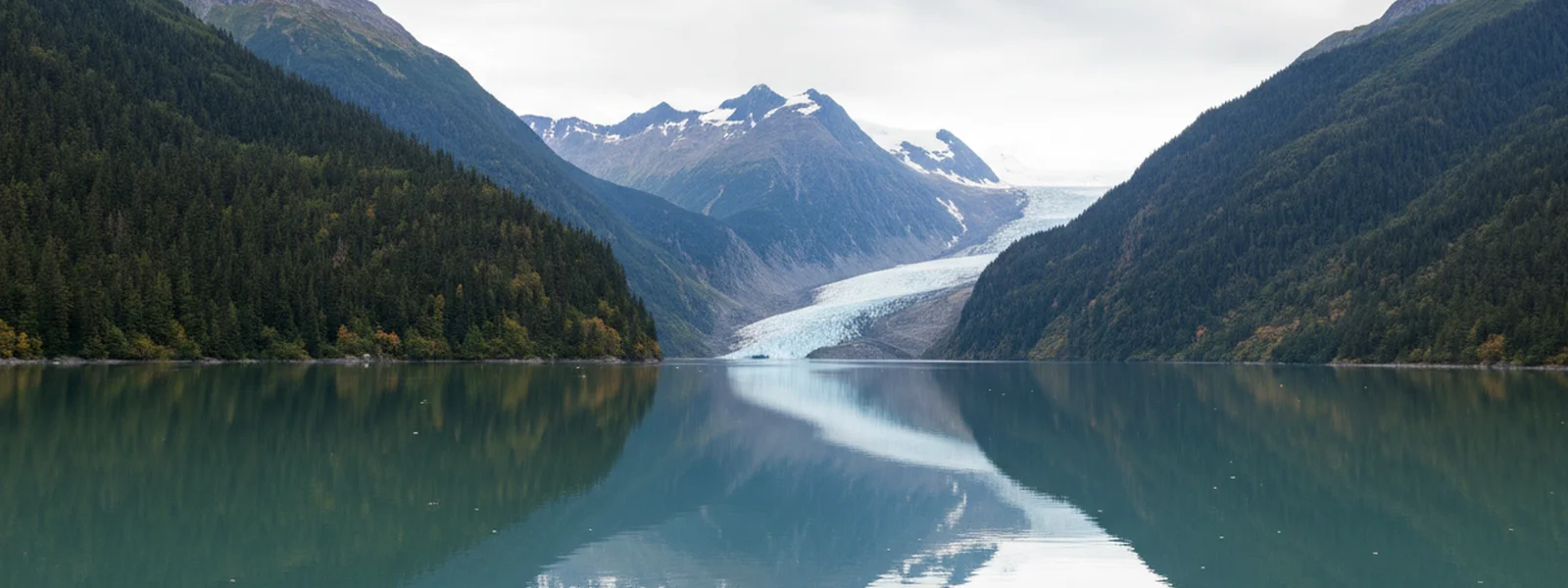
The 50°F Reality: Why Layers Are Key on Your Alaska Cruise
If you're planning an Alaska cruise, you've probably seen pictures of glaciers, whales, and perhaps even the Northern Lights. What you might not have seen are the people bundled up on deck, even in July. The average temperature on deck during an Inside Passage cruise often hovers around 50°F (10°C), and that's before factoring in the wind chill. This is why understanding what to wear on an Alaska cruise is more about strategic layering than packing for a tropical getaway. Forget the sundresses; think practical, adaptable clothing.
The key to comfort on an Alaska cruise is a well-thought-out layering system. This approach allows you to adjust your clothing to changing temperatures and activities, whether you're standing on deck watching icebergs calve or exploring a rainforest trail. We’ve put together a detailed Alaska cruise packing list to help you navigate these choices, ensuring you stay comfortable and ready for whatever the Last Frontier throws your way.
Essential Clothing Items: Building Your Alaska Cruise Wardrobe
Your packing strategy should revolve around three main types of layers: base, mid, and outer. This system is your best defense against Alaska's unpredictable weather and is crucial for enjoying everything from glacier viewing to port town exploration.
1. Base Layers: The Foundation of Warmth
Your base layer sits directly against your skin and its primary job is to wick away moisture. Opt for synthetic materials like polyester or merino wool. Avoid cotton, as it absorbs moisture and stays wet, leaving you feeling cold. Think long underwear tops and bottoms, thermals, or even a comfortable long-sleeved t-shirt made from wool or synthetic fabric.
- Merino wool long underwear (top and bottom)
- Synthetic t-shirts or long-sleeved shirts
- Moisture-wicking leggings or long johns
These items are vital for chilly mornings on deck or any excursion that involves physical activity. They’ll keep you dry and comfortable, forming the crucial first step in your Alaska cruise outfits strategy.
2. Mid Layers: Insulation and Adaptability
This layer provides the bulk of your insulation. Fleece jackets, down vests, and wool sweaters are excellent choices. You want something warm that you can easily add or remove as conditions change. A fleece jacket is a versatile option, offering good warmth without too much bulk, and it dries quickly if it gets damp.
- Fleece jacket or pullover
- Wool sweater
- Down or synthetic insulated vest
- Comfortable knitwear
These pieces are perfect for adding an extra shield against the cold. If the wind picks up on deck or the temperature drops unexpectedly, a good mid-layer makes all the difference. It’s this adaptability that defines successful Alaska cruise layering.
3. Outer Layers: Protection from the Elements
Your outer layer is your shield against wind and rain. A waterproof and windproof jacket is non-negotiable. Look for something with a hood to protect your head and face from the elements. Many Alaska cruise packing lists also recommend waterproof pants, especially if you plan on doing a lot of walking in port or taking smaller boat excursions where spray is common.
- Waterproof and windproof jacket with a hood
- Waterproof pants (optional, but recommended for excursions)
- A packable rain shell
This layer is your primary defense against Alaska’s famously damp climate. Even on a sunny day, the wind off a glacier can be intense. A good waterproof outer shell ensures you can stay out on deck longer, enjoying the views without getting soaked.
Footwear: Waterproof Boots Are Non-Negotiable
When considering what to wear on an Alaska cruise, do not underestimate the importance of footwear. Comfortable, waterproof boots are essential. You’ll likely be doing a lot of walking on potentially wet and uneven surfaces in ports, and many excursions involve trails or shore landings. Rubber-soled, waterproof hiking boots or sturdy waterproof walking shoes are ideal. Make sure they are broken in before your trip to avoid blisters.
- Waterproof, sturdy walking boots or hiking boots
- Comfortable shoes for evenings on the ship
- Waterproof socks (merino wool or synthetic)
Avoid bringing only fashion sneakers or casual shoes. While you’ll want something comfortable for inside the ship, your primary outdoor footwear needs to handle moisture. Consider bringing a pair of slip-on shoes for easy wear on the ship as well.
Accessories: The Finishing Touches for Comfort
Don't forget the smaller items that can significantly enhance your comfort. A warm hat that covers your ears, waterproof gloves, and a scarf are crucial for windy, cold days on deck. Binoculars are also a must-have for wildlife spotting – you’ll want to see those whales, sea otters, and eagles clearly. A small, waterproof backpack is useful for carrying your layers, camera, and water bottle during port days.
- Warm hat (beanie or wool hat)
- Waterproof gloves or mittens
- Scarf or neck gaiter
- Binoculars
- Waterproof daypack or small backpack
- Camera and extra batteries
These accessories might seem minor, but they play a big role in keeping you warm and allowing you to fully immerse yourself in the Alaskan experience. A good pair of binoculars can transform your wildlife viewing from a distant glimpse to an up-close encounter.
What NOT to Pack: Common Mistakes to Avoid
Just as important as knowing what to bring is knowing what to leave behind. While you might be tempted to pack for warmer weather, resist the urge. Items like flip-flops, flimsy sandals, and most sundresses will likely remain unworn in your suitcase.
Heavy, bulky items that aren't waterproof are also less practical. Think twice about packing multiple pairs of jeans; if they get wet, they’re heavy and take a long time to dry. While a nice outfit for formal nights is optional on some cruise lines, casual and comfortable attire is the priority for Alaska. Focus on versatile pieces that can be layered and mixed.
For those planning their cruise, you might find our article on the Alaska Cruise Packing List for Couples helpful for coordinating with a partner. Similarly, understanding the best vantage points can enhance your experience, so check out our guide on the Best Side of the Ship for an Alaska Cruise.
Our Recommended Alaska Cruise Apparel
At Alaskan Cruise Shirts, we believe your apparel should be as memorable and well-designed as the scenery you're experiencing. Our collection is inspired by the classic WPA national park posters, featuring bold colors and iconic Alaskan motifs from places like Glacier Bay, Denali, and Ketchikan. We focus on garments that are not only stylish but also practical for the Alaskan climate. Think comfortable, garment-dyed tees and warm, durable hoodies that look good long after your cruise is over.
We design our apparel with the reality of Alaska in mind. Our Comfort Colors tees, for instance, are garment-dyed and pre-shrunk, giving them a soft, lived-in feel right out of the box – perfect for that relaxed Alaskan vibe. For cooler days or evenings on deck, our hoodies and crewneck sweatshirts offer that essential warmth and protection. They’re made for layering, ensuring you can stay comfortable while taking in the views, whether it’s a crisp morning in Juneau or a breezy afternoon sailing through Misty Fjords.
Our designs aren't just about aesthetics; they're about capturing the spirit of Alaska. From the rugged landscapes of Denali to the vibrant marine life of the Inside Passage, each piece tells a story. We offer a range of sizes, including relaxed fits for women and youth sizes, so the whole family can find something they love. This focus on quality, comfort, and authentic design means you’ll have a souvenir that you’ll genuinely want to wear, not just store away.

Published by Alaskan Cruise Shirts
Alaska, Worn Well
Frequently Asked Questions
What is the average temperature on an Alaska cruise?
Average temperatures on deck during an Alaska cruise often range from 45-55°F (7-13°C), even in the summer months. Factors like wind, rain, and proximity to glaciers can make it feel significantly colder. Layering is essential to adapt to these conditions.
Do I need waterproof pants for an Alaska cruise?
Waterproof pants are highly recommended, especially if you plan on participating in shore excursions, spending a lot of time on deck, or taking smaller boat tours. They provide crucial protection against rain and sea spray, keeping you dry and comfortable in Alaska's damp environment.
What kind of shoes are best for an Alaska cruise?
Waterproof, sturdy walking boots or hiking boots with good traction are essential. They should be comfortable enough for walking in ports and durable enough to handle wet conditions. Bring a comfortable pair of shoes for indoors on the ship as well.
Should I pack a rain jacket for my Alaska cruise?
Yes, a waterproof and windproof rain jacket with a hood is absolutely essential for an Alaska cruise. Many days will involve wind and potential rain, and this layer will protect you from the elements, allowing you to enjoy the scenery without discomfort.
What should I avoid packing for an Alaska cruise?
Avoid packing items like sundresses, flip-flops, and excessive amounts of cotton clothing. These are generally not suitable for Alaska's cool and damp climate. Focus on versatile, layerable, and waterproof items instead.
Is a formal outfit necessary for an Alaska cruise?
Formal wear is optional on most Alaska cruises, as the emphasis is on comfort and practicality due to the climate. While some lines may have 'dressy casual' nights, packing one slightly nicer outfit that can be dressed up or down is usually sufficient. Focus on comfortable layers for daytime.
What are the best fabrics for base layers on an Alaska cruise?
The best fabrics for base layers are merino wool or synthetic materials like polyester. These fabrics wick moisture away from your skin, helping to keep you dry and warm. Avoid cotton, as it retains moisture and can leave you feeling cold.
First Look at New Alaska Designs
New ports, new parks, new wildlife — get first access to every new alaska cruise shirt drop plus insider packing tips for the Inside Passage.