
The Unique Appeal of an Alaska Winter Trip
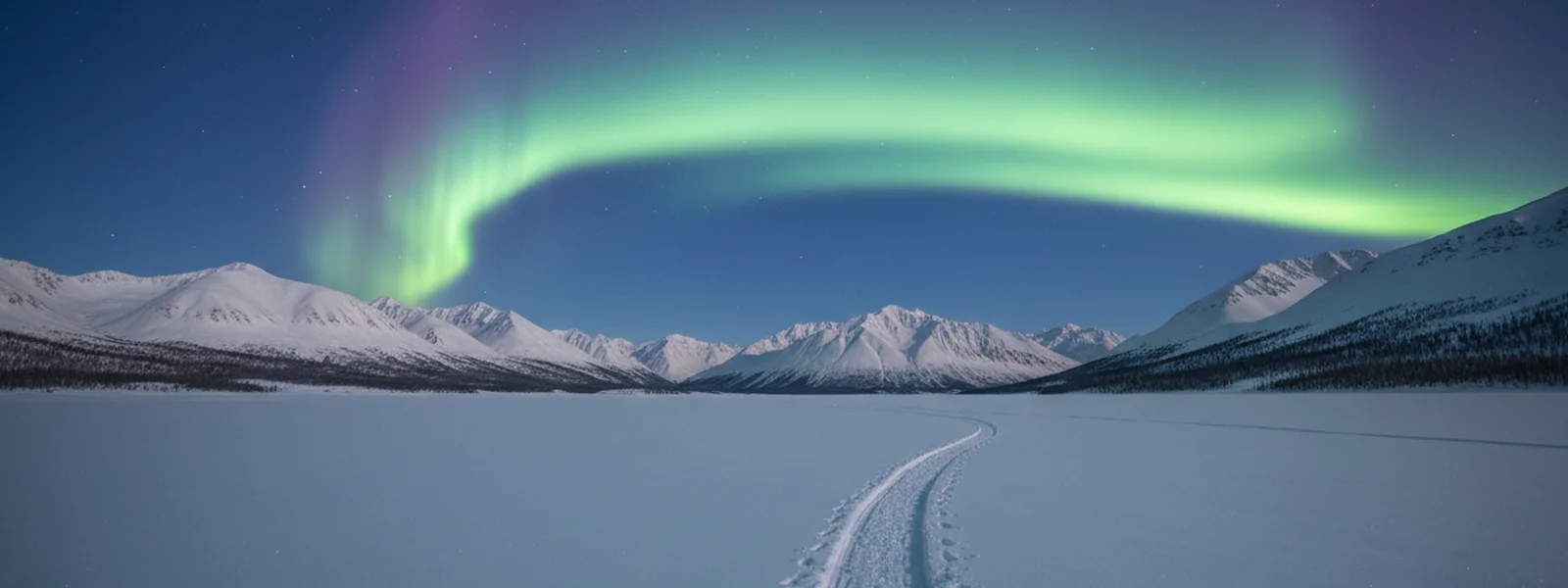
Most travelers think of Alaska as a summer destination, a place of long daylight hours and cruise ship itineraries. But for those who seek a quieter, more profound experience, a winter Alaska trip offers something entirely different. When the cruise ships dock for the season and the summer crowds thin, Alaska transforms into a landscape of stark beauty, pristine snow, and skies that frequently blaze with the aurora borealis. This is the Alaska of hushed forests, frozen rivers, and a unique sense of solitude.
The off-season reveals a different kind of grandeur. The scale of the mountains feels more immense under a blanket of white, and the wildlife, though less visible, leaves clearer tracks in the snow. It is a time for genuine exploration, for understanding the rhythms of life in a colder climate, and for connecting with the land in a way that summer's bustle rarely allows. For us, who design apparel for those who appreciate Alaska's true character, the winter months are just as compelling as the peak summer season.
Fairbanks: The Heart of Aurora Viewing
If seeing the aurora borealis is high on your list, then Fairbanks is your prime destination for a winter Alaska trip. Located directly under the 'aurora oval,' this interior city boasts some of the clearest, darkest skies and highest aurora visibility in North America. From September through April, the chances of seeing the northern lights are consistently strong, making the Alaska after the ships leave — aurora and land travel season a true spectacle.
The key to a successful Fairbanks Alaska winter experience is preparation and patience. Many local operators offer aurora viewing tours, taking visitors to remote, heated cabins or yurts away from city lights. These tours often include hot drinks and snacks, allowing for comfortable waiting under the frigid night sky. Consider visiting Chena Hot Springs, about an hour northeast of Fairbanks, where you can soak in mineral-rich waters while watching for the aurora overhead. It's a surreal combination of warmth and cosmic light.
For staying warm during long nights outside, layering is crucial. Many travelers find our
or to be excellent mid-layers under a heavy winter coat, providing both warmth and a touch of WPA-poster style that reflects the spirit of your journey.Denali: Winter Access and Activities
Denali National Park, typically a summer highlight, offers a dramatically different face in winter. While the famous Park Road is largely closed to vehicles beyond Savage River (Mile 15), the park remains open for those willing to venture into its quiet expanse. Visiting Denali in winter provides unparalleled solitude and a chance to experience the park's raw, untamed beauty without the summer crowds.
Winter activities within Denali include cross-country skiing, snowshoeing, and dog mushing. The Murie Science and Learning Center serves as the winter visitor center, providing information, warming areas, and access to snowshoe rentals. The park's sled dog kennels, where the canine rangers live, are also open for visits, offering a glimpse into the park's unique history and operations. Seeing North America's tallest peak, Denali, under a clear winter sky is a rare sight, and a truly humbling one. The mountains feel even more imposing when dusted with fresh snow, a vista captured in many of our
.Other Winter Destinations: Anchorage and Seward
While Fairbanks and Denali draw visitors for the aurora and deep winter immersion, other Alaskan cities also offer compelling winter experiences.
Anchorage: City Life and Nearby Wilderness
Anchorage, Alaska's largest city, serves as a convenient hub for a winter Alaska trip. It offers a balance of urban amenities and quick access to wilderness. You can explore museums, dine in local restaurants, and then, within minutes, be on a trail for cross-country skiing or snowshoeing. The Chugach Mountains provide a dramatic backdrop, and the city's extensive trail system, including the Tony Knowles Coastal Trail, is perfect for winter recreation. The annual Iditarod Trail Sled Dog Race ceremonial start takes place in Anchorage each March, drawing crowds and celebrating a quintessential Alaskan tradition.
Seward: Coastal Winter Charm
Down on the Kenai Peninsula, Seward transforms into a quiet coastal town in winter. While many summer activities like boat tours to Kenai Fjords National Park are seasonal, winter offers opportunities for ice fishing, snowmobiling, and enjoying the serene beauty of Resurrection Bay without the summer hustle. The Alaska SeaLife Center remains open year-round, offering a chance to see marine wildlife up close and learn about Alaska's diverse ecosystems, even when the bay is too rough for excursions.
Cold-Weather Activities: Embrace the Snow
A winter Alaska trip is defined by its activities, many of which are unique to the snowy landscape. Embracing the cold is part of the experience.
- Dog Sledding: Whether you opt for a short tour or a multi-day expedition, dog sledding offers an authentic Alaskan adventure. Many operators near Fairbanks, Anchorage, and Denali offer rides, allowing you to feel the power of a dog team mushing through the snow.
- Snowshoeing: Accessible to most fitness levels, snowshoeing is an excellent way to explore the quiet winter trails. It requires minimal gear beyond snowshoes and warm clothing, and allows for silent observation of wildlife tracks.
- Ice Fishing: Experience the calm patience of ice fishing on a frozen lake. Local guides often provide heated huts, gear, and hot drinks, making it a comfortable way to spend a winter afternoon.
- Cross-Country Skiing: Alaska boasts extensive groomed trail systems, particularly around Anchorage and Fairbanks. It's a fantastic way to get exercise while immersing yourself in the snowy scenery.
- Fat Biking: These bicycles with oversized tires are built for snow and offer a fun, fast way to navigate winter trails. Rentals are available in most major Alaskan towns.
Packing for Extreme Cold
Effective layering is the cornerstone of comfortable winter travel in Alaska. Temperatures can drop well below 0°F, especially in the interior, so thoughtful packing is not optional.
- Base Layers: Start with moisture-wicking synthetic or wool base layers. These keep sweat away from your skin, which is crucial for staying warm. A classic WPA-style design like or can serve as a comfortable layer against your skin.
one of our classic WPA-style scenic tees
- Mid Layers: Fleece, down vests, or our provide insulation. You’ll want several options to adjust to varying temperatures and activity levels.
- Outer Layer: A windproof, waterproof, and insulated parka is essential. Look for one rated for extreme cold.
- Extremities: Don't forget hats, insulated gloves or mittens, and warm, waterproof boots. Multiple pairs of wool socks are also a good idea.
- Accessories: A headlamp, sunglasses (for glare off the snow), and a good camera with extra batteries (cold drains them quickly) round out the essentials.
Remember, the goal is to trap warm air and block wind. You can always remove layers if you get too warm, but it's much harder to add warmth you didn't bring. For a souvenir that genuinely serves a purpose, consider one of our
Alaska Cruise Hoodies
Alaska Cruise Sweatshirts
The Magic of the Alaskan Winter
A winter Alaska trip is not merely a vacation; it's an immersion into a landscape of profound beauty and quiet power. It’s a chance to witness the aurora borealis dance across the sky, to feel the silent glide of a dog sled, and to experience the crisp, clean air of a truly wild place. This season, after the ships have departed and the summer light has receded, Alaska offers a unique kind of introspection and wonder. It's a time when the land reveals its most essential self, unadorned and deeply compelling.
Just as the WPA posters captured the enduring spirit of America's wild places, our
aim to capture that same timeless essence. We believe that the best souvenirs are those that evoke the true feeling of a place, a memory you can wear, long after the chill of an Alaskan winter night has faded.
Published by Alaskan Cruise Shirts
Alaska, Worn Well
Frequently Asked Questions
What is the best time to see the aurora borealis in Alaska?
The prime viewing season for the aurora borealis in Alaska is from mid-September through April. During these months, the nights are long and dark enough to allow for optimal visibility. Fairbanks, located under the aurora oval, offers some of the highest chances for sightings.
Can you visit Denali National Park in winter?
Yes, Denali National Park is open year-round, but access is limited in winter. The Park Road is typically plowed only up to Savage River (Mile 15), but visitors can enjoy cross-country skiing, snowshoeing, and dog mushing beyond that point. The Murie Science and Learning Center serves as the winter visitor center.
What kind of clothing should I pack for an Alaska winter trip?
Layering is critical for an Alaska winter trip. Pack moisture-wicking base layers, insulating mid-layers like fleece or down, and a windproof, waterproof, and insulated outer shell. Don't forget warm hats, insulated gloves or mittens, and waterproof winter boots rated for extreme cold.
What unique activities are available during an Alaskan winter?
Alaskan winters offer a range of unique activities including dog sledding, snowshoeing, cross-country skiing, ice fishing, and fat biking. Many local operators provide guided tours and rentals, making these experiences accessible to visitors.
Is an Alaska winter trip suitable for families?
An Alaska winter trip can be a memorable experience for families, especially those interested in outdoor activities and the aurora. Many tours and accommodations cater to families, and cities like Anchorage offer a balance of urban attractions and accessible winter recreation.
First Look at New Alaska Designs
New ports, new parks, new wildlife — get first access to every new alaska cruise shirt drop plus insider packing tips for the Inside Passage.